

Acrylic vs. Silicone Night Guards for Bruxism: Which Is Better?
Grinding your teeth at night — also called bruxism — does more than mess up your sleep. Over time, it can wear down your teeth, strain your jaw, and cause constant pain and extra dental costs. The good news? A night guard can help protect your teeth and ease these problems.
But here's the thing, not all night guards are created similar to each other. The material, whether it's acrylic or silicone, makes a big difference in how well your teeth are protected from grinding or clenching.
This blog will show you the key differences between acrylic and silicone night guards, why the material matters, and a reliable option from ClearClub.
📑 Table of Contents
What is a Night Guard?
As explained by the Cleveland Clinic, a night guard is basically a dental appliance that protects your teeth from grinding and clenching, also known as bruxism. You can wear it during the day or while you sleep, depending on when it usually happens. While most people use it for teeth grinding, it can also be useful in other issues, like:
- Obstructive Sleep Apnea (OSA)
- Temporomandibular Joint (TMJ) Disorder
- Ringing ears or tinnitus
- Involuntary lip biting
- Bruxism related to stress or other health conditions
While night guards can be used for different reasons, most people wear them to deal with the long-term effects of teeth grinding — like chipped teeth, jaw pain, headaches, and facial discomfort. That's why choosing the right type and material really matters if you want something that's both comfortable and built to last.
Why the Material of Your Night Guard Really Matters
Before purchasing a dental guard for bruxism, you should consider two factors: its type and the material it's made from. There are two main types of mouth guards: generic (stock and boil-and-bite) and custom-made (provided by dentists or direct-to-consumer brands). Each type has its own pros and cons, which can affect how well it actually protects your teeth.
The material of your night guard matters just as much as the type you pick. It decides how well it shields your teeth, how comfortable it feels, and whether it's safe to wear night after night. The Mayo Clinic explains some materials — like BPA, latex, and phthalates — can cause allergies and might even be linked to bigger health issues. Acrylic and silicone, though, are safe, effective, and what most people go for to keep their teeth protected from grinding.
Acrylic vs. Silicone Night Guards: What’s the Difference?
When comparing acrylic and silicone night guards, the differences go beyond just how solid they feel. Their unique properties affect durability, protection, and long-term value. Below is a quick guide:
| Feature | Acrylic Night Guards | Silicone Night Guards |
|---|---|---|
| Durability | Highly durable; long-lasting | Wears down faster over time |
| Protection | Strong, maintains shape under pressure | Softer, may compress when grinding |
| Comfort | Slight adjustment period | Immediately soft and comfortable |
| Fit | Custom-fit, precise | Often bulkier (boil-and-bite) |
| Hygiene | Non-porous, easier to clean bacteria/odor | More porous, can trap bacteria/odor |
| Cost Over Time | Higher upfront, better long-term value | Lower upfront, frequent replacements |
Which Night Guard Material Really Helps with Teeth Grinding?
Not sure which material fits your needs? Ask yourself these questions to find the right guard:
- How intense is my teeth grinding — mild, moderate, or severe?
- Do I want a night guard personalized to fit the exact shape of my teeth?
- How important is durability when choosing a night guard?
- Do I prefer a soft or hard dental guard?
- Do I want a night guard that's easy to clean?
If your teeth grind a lot at night, an acrylic night guard might be your best bet. It's hard, super durable, and built to handle heavy grinding. Studies show that while silicone and acrylic can feel equally comfortable, acrylic guards stay in place better, last longer, and don't encourage chewing as much.
Simply put, for long-term protection and reliability, acrylic night guards are the better choice for managing the effects of teeth grinding and clenching.
Protect Your Teeth Today with an Acrylic Night Guard
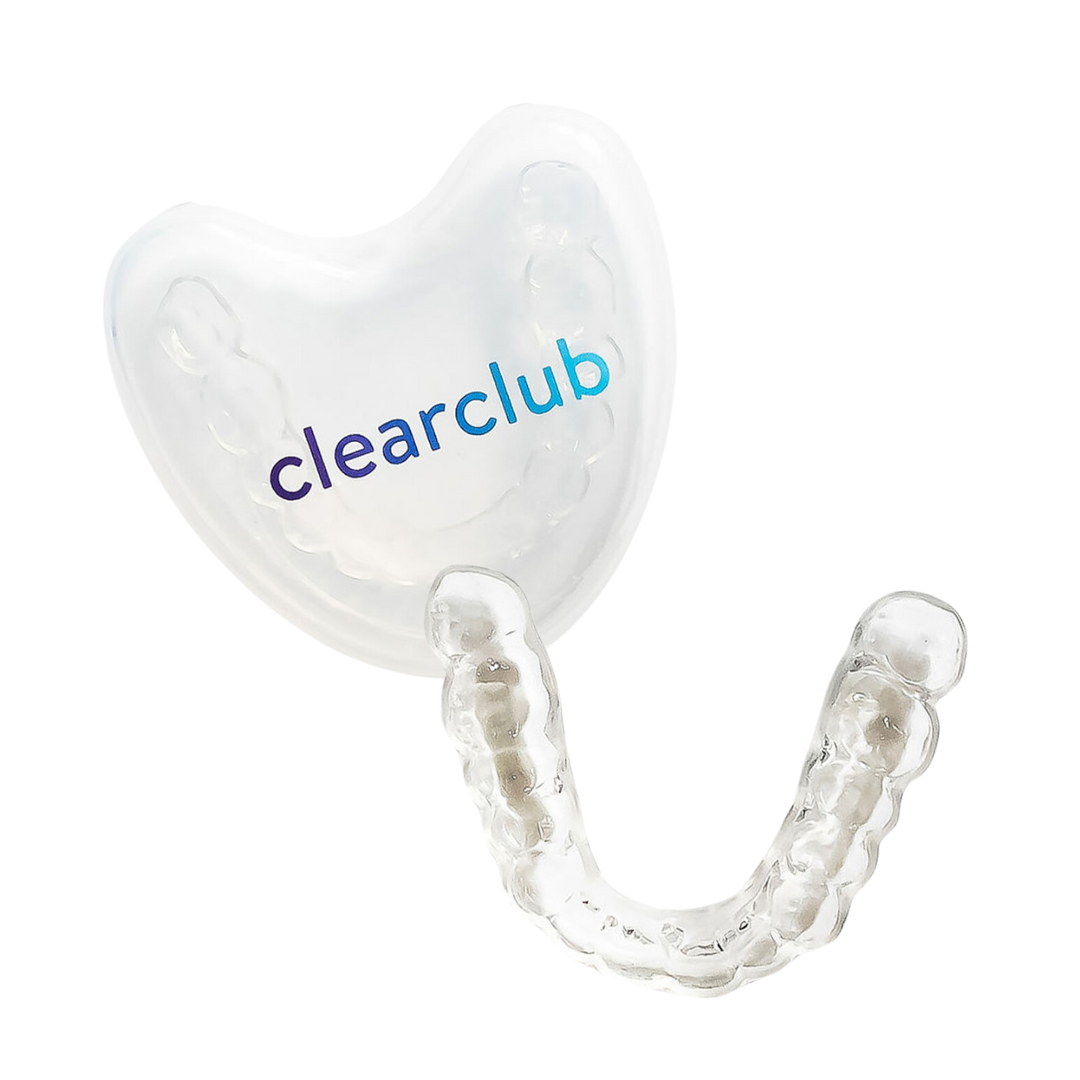


Click each image to preview the product
Acquiring an acrylic night guard doesn't have to be expensive — you can get one quickly, conveniently, and affordably! ClearClub's Clear, Color, and Multi-Colored night guards are made from FDA-approved, BPA-free, and non-allergenic acrylic.
Think hard acrylic means uncomfortable? Think again. Our dual-layer guards have a soft inner layer that cushions your teeth and a tough outer layer that stands up to grinding. And with three thickness options, you can get a fit that's just right for you.
If you'd like fresh replacements every 3, 4, or 6 months, subscribe to our renewal plan and have them delivered straight to your door. Get your acrylic night guard for bruxism today!
Frequently Asked Questions
❓ Are acrylic or silicone night guards better for bruxism?
The answer depends on the severity of your teeth grinding or clenching. Silicone is known for its soft design, making it suitable for mild bruxism, while acrylic is better suited for moderate to severe cases.
❓ Do I need a custom night guard or a generic one will work?
Generic night guards, such as stock and boil-and-bite types, may provide temporary relief for teeth grinding, but long-term use can lead to discomfort due to their bulk and lack of a custom fit. A personalized night guard is the most effective option for managing bruxism symptoms.
❓ Are silicone night guards safe?
Yes, silicone night guards are generally safe and suitable for short-term or occasional use. However, if you experience persistent symptoms like morning headaches, jaw strain, or chipped and worn teeth, an acrylic night guard may be a better choice.
Looking for something else? Check our full FAQs section.