

How Thick Should Your Night Guard Be? A Thickness Guide
Just as every custom-fit dental night guard is uniquely molded to match an individual's teeth and bite, every person's experience with bruxism is different. When you're first starting treatment, it isn't always easy to know which night guard thickness will work best for your needs.
In this guide, we'll explain the different thicknesses available for ClearClub's custom night guards, the benefits of each option, and how to choose the right thickness based on your teeth grinding habits and comfort preferences.
📑 Table of Contents
What Thicknesses Are ClearClub's Night Guards Available In?
ClearClub offers three thicknesses for our clear night guards: 1.3mm, 2mm and 3mm.
| Thickness | Best For | Comfort Level | Key Benefits |
|---|---|---|---|
| 1.3 mm | Light teeth grinding | Thin and lightweight | Comfortable, less noticeable, easy to get used to |
| 2 mm | Moderate teeth grinding | Medium thickness | Balanced comfort and protection; most popular option |
| 3 mm Hybrid Night Guard | Those who prefer a thicker guard | Thickest option | Extra cushioning and shock absorption to help reduce jaw strain |
1.3 mm Night Guard
Best for light teeth grinding and maximum comfort. This thinner option is lightweight, less noticeable, and preferred by people who want a night guard that feels natural while sleeping.
2 mm Night Guard
A balanced option for moderate teeth grinding. This thickness provides a comfortable fit with reliable protection, making it ClearClub's most popular night guard option among customers.
3 mm Hybrid Night Guard
Best for those who prefer extra cushioning and a thicker feel. ClearClub's thickest night guard option provides additional cushioning and shock absorption that may help improve comfort for people who prefer a thicker guard.
Personal preference can play a huge part in your ongoing comfort and ability to maintain a healthy routine of wearing your dental night guard on a regular basis. It is important, then, to consider both your own comfort as well as other factors when choosing the thickness of your night guard.
How Do You Choose the Right Night Guard Thickness?
So what might dictate the choice between a thinner or thicker night guard to treat your bruxism? Here are some guidelines that might be helpful.

Choose a Thin Night Guard for Comfort During Frequent Wear
The thinner the night guard, the less noticeable it is during frequent wear. If you plan to wear your custom night guard throughout the day while working, exercising, or commuting, a thinner option may be the better choice. You'll find it easier to speak naturally while still receiving the protection you need.
Choose a Thicker Night Guard if You Prefer More Cushioning
A thicker night guard may feel more protective because it provides additional cushioning while you sleep. If you’ve worn a night guard before and prefer a thicker feel, this option may be right for you. Since it’s difficult to know how much or how hard you grind while asleep, some people prefer the added cushioning of a thicker guard.
Consider Your Sleep Habits and Other Conditions
If you experience nighttime conditions such as sleep apnea or restless sleep, comfort and fit become especially important when choosing a night guard thickness. While a thicker guard may feel more protective, it should not interfere with your comfort or sleep quality.
For some people, a thinner night guard may provide a more natural fit. The best option ultimately depends on your comfort, needs, and experience.
Explore the connection between bruxism, snoring, and sleep-related breathing issues in this article next: The Hidden Link Between Sleep Apnea & Teeth Grinding
Does a Thicker Night Guard Provide Better Protection?
A thicker night guard does not necessarily provide better protection, although it may feel that way. While it can offer additional cushioning, the most important factor is choosing a guard that fits comfortably and allows consistent wear.
If a thicker night guard feels comfortable while you sleep, it may be the right choice for you. All ClearClub night guards are made from durable, dental lab-quality materials designed to withstand the effects of teeth grinding.
Consider Your Teeth Grinding Severity
The amount and intensity of your teeth grinding can influence which night guard thickness feels most comfortable. People with lighter grinding may prefer a thinner option, while those who experience stronger clenching or prefer extra cushioning may choose a thicker guard.
Want to hear from real customers? Check out ClearClub Night Guard Reviews & Buyer’s Guide for customer insights and experiences.
When Should You Replace Your Night Guard?
Replacing your night guard for hygienic reasons is a good practice, even if it is still holding up against teeth grinding. Just like replacing your toothbrush regularly helps prevent bacteria and plaque buildup, replacing your dental night guard periodically can help maintain better oral hygiene.
ClearClub makes it easier to stay consistent with your night guard care through a subscription option, allowing you to receive a new night guard every three, four, or six months, starting as low as $98.
Find out when to replace your night guard and how to maintain proper hygiene here: Night Guard Replacement: Every 3, 4, or 6 Months? Here's the Truth
Protect Your Teeth With a Custom Night Guard?
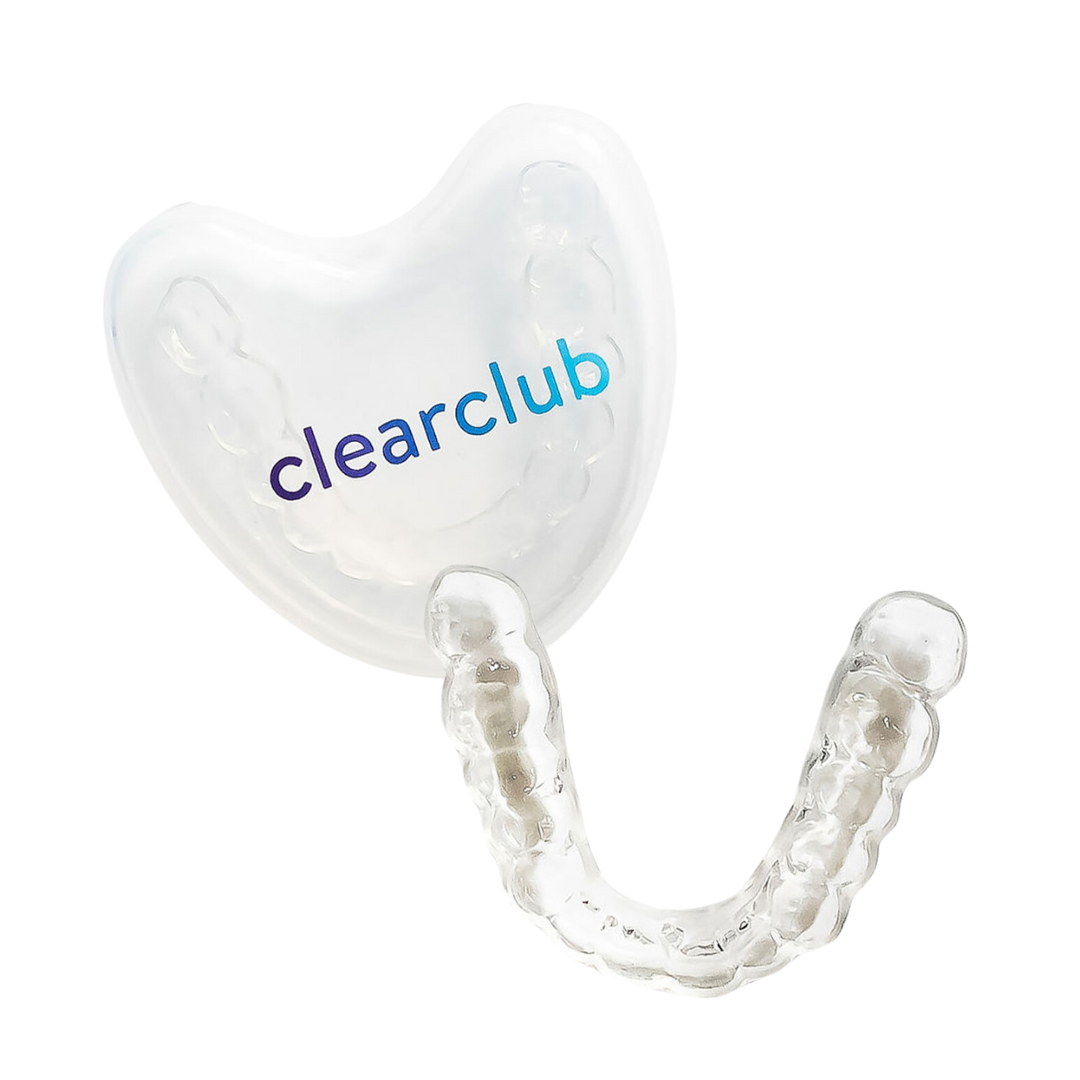


ClearClub's custom-fit night guards are designed to help protect your teeth from grinding and clenching, starting at $98 for your first night guard. Each guard is made for a personalized fit and shipped directly to your door for convenient protection at home.
Not sure which night guard thickness is right for you? If you choose a thicker night guard and find that the fit isn't quite right, our support team can help with a replacement.
Frequently Asked Questions
❓ What is the best night guard thickness for teeth grinding?
A 1.3 mm night guard is often suitable for light grinding, while a 2 mm night guard may work well for moderate bruxism. People who prefer extra cushioning or experience heavier grinding may choose a 3 mm hybrid night guard. The best thickness depends on your comfort, grinding habits, and personal preference.
❓ Is a thicker night guard better for teeth grinding?
Not always. A thicker night guard may provide more cushioning, but the best option is the one that fits comfortably and allows you to wear it consistently while sleeping.
❓ How often should you replace a night guard?
A night guard should be replaced when it shows signs of wear, damage, or poor fit. Many people also replace their night guard regularly for hygiene purposes to help reduce bacteria and plaque buildup.
Looking for something else? Check our full FAQ section.