

Can an Uneven Bite Cause TMJ Pain? | ClearClub
Jaw pain, clicking when chewing, waking up with a sore jaw, or even headaches can feel random, but there's usually a reason behind it. A potential cause of this issue is having an improper bite or malocclusion.
Consequently, a bad bite can influence the functioning of the jaw muscles and TMJ in performing routine functions such as chewing and talking.
However, not every bite problem results in TMJ issues. Jaw pains can be caused by different factors. In this article, we'll help you understand what an uneven bite is and how it affects your jaw without necessarily causing TMJ issues.
📑 Table of Contents
What Is an Uneven Bite? (Definition and Common Types)
What is Malocclusion?
According to the Cleveland Clinic, malocclusion is the term used to refer to a situation where the alignment of your upper and lower teeth is poorly positioned, affecting the functions of your teeth and jaw.
Misaligned bites occur very often, with a frequency rate of 54% in the entire world population. Even though this is the case, it should be noted that malocclusions are of varying severity for different individuals, and some do not have to be fixed right away since they are not too severe.
Common Types of Malocclusion
There are several types of bad bites, each depending on how your upper and lower teeth align when your mouth is closed.

- Crossbite: The upper teeth sit inside the lower teeth when the mouth is closed.
-
Underbite: The lower front teeth sit ahead of the upper front teeth.
- Overbite: The upper and lower front teeth do not come into contact with each other.
- Over bite: There is a lack of contact between the upper and lower front teeth even when the mouth is shut.
- Overjet: The upper front teeth stick out too far.
There are some cases of malocclusion that are more prone to causing jaw problems compared to others. However, not all people experience such circumstances.
How an Uneven Bite Can Affect Your Jaw and TMJ
Your bite, jaw muscles, and TMJ work collectively when performing normal functions such as talking and chewing. That's why a mild irregularity can affect how these areas function. For example, a study on the link between malocclusion and speech difficulties shows that posterior crossbite affects tongue position and speech.
Similarly, an uneven bite is considered one of the common contributors to TMJ problems. If the jaw is forced to overwork to account for the misaligned teeth, there is a possibility that strain will be put on the joint constantly. This can result in muscles fatigue, jaw pain, or even strain on the joint itself.
Why Not Every Bite Problem Leads to TMJ Disorders
TMJ Disorders Have Multiple Causes
It's important to remember not every case of malocclusion results in TMJ problems. TMJ disorder is multifactorial in nature, which means that there are different things that can cause this disorder, either individually or collectively, such as bruxism, stress, muscle tightness, injury, and arthritis.
Want to learn more about how bruxism contributes to TMJ disorder symptoms? Read this article next: The Relationship Between Bruxism and TMJ
What Research Says About Bite Problems and TMJ
In fact, a scoping review suggests that some bite problems are linked to TMJ pain and dysfunction, but they do not directly cause TMJ disorders on their own. Moreover, a study published in the National Library of Medicine has shown that malocclusion, tooth loss, and bruxism are all associated with TMJ disorders, although their effects can vary depending on the individual and the specific condition.
Why Professional Evaluation Matters
This is the reason why it makes sense to get the issue checked out by a dentist in order to know what the next step should be. There are some cases of malocclusion which might need bite correction through orthodontic braces, teeth removal, or even jaw surgery, but then there are cases where such complicated procedures will not be required.
Are you having trouble choosing the right night guard for TMJ? We've put together a guide to help you: Choosing the Right Mouth Guard for TMJ: Types, Fit & Relief You Can Trust
When a Night Guard for TMJ Is the Right Next Step
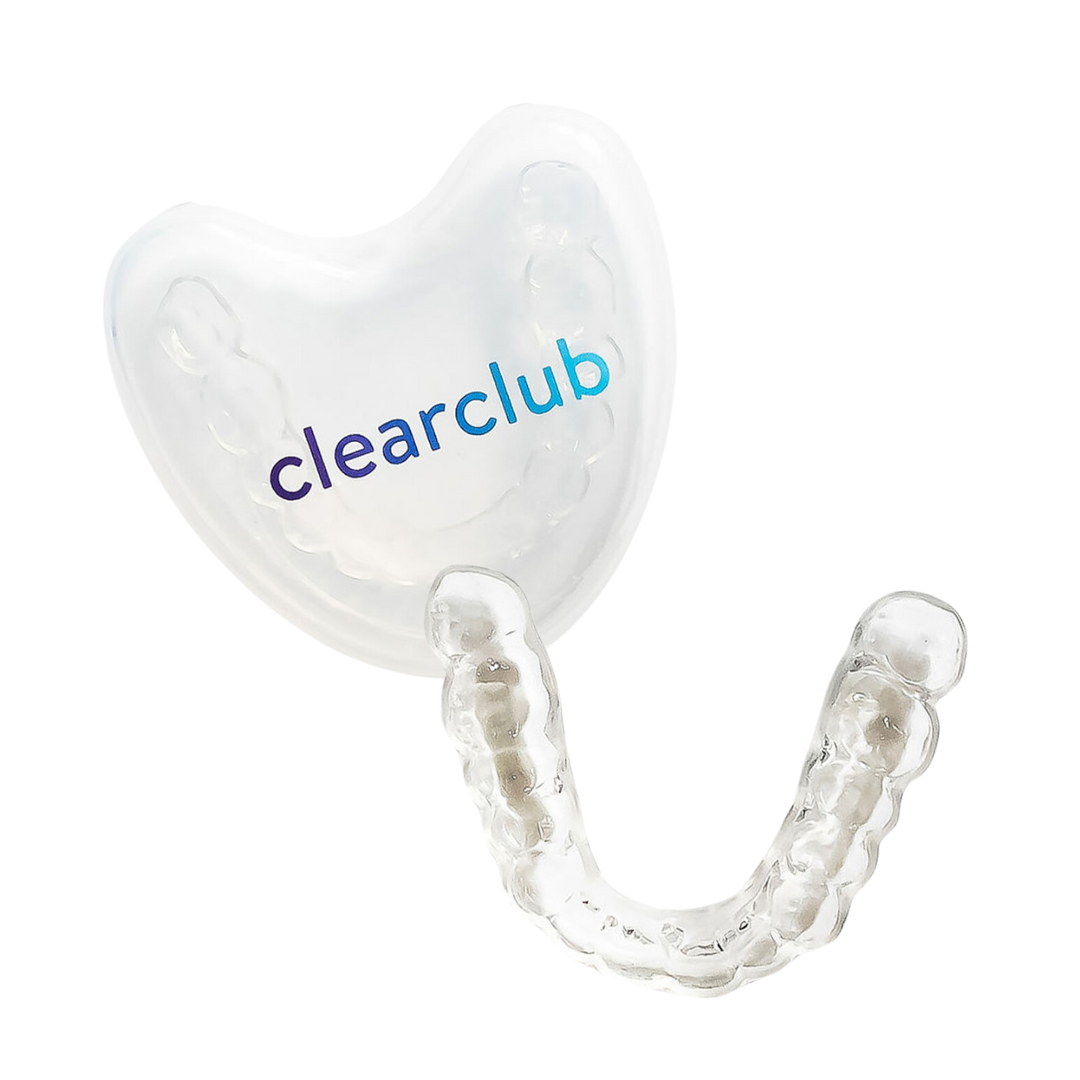


Managing TMJ strain can help relieve pain and discomfort caused by clenching, grinding, and jaw tension. A protective device like a TMJ night guard will be able to help you safeguard your teeth, whereas stress management and relaxation methods may help reduce the strain on your jaw.
ClearClub's Custom Night Guards are designed to support your oral health while handling TMJ-related symptoms. These guards can be customized and come in different thicknesses and colors. The guards are made from FDA-approved material which is free from BPA, latex, and allergens.
Protect your teeth and manage TMJ symptoms today.
Frequently Asked Questions
❓ Can an uneven bite really cause TMJ pain?
No. People with teeth alignment problems do not automatically have TMD symptoms, and some individuals with TMJ pain and discomfort have properly aligned bites. TMJ is a multifactorial condition, so having an improper bite does not guarantee that it will develop.
❓ How is TMJ related to teeth grinding?
Teeth grinding (bruxism) can put extra pressure on the jaw muscles and joints, which may worsen or trigger TMJ symptoms.
❓ What is the difference between TMJ disorder and uneven bite?
An uneven bite (malocclusion) refers to tooth alignment issues, while TMJ disorders involve pain or dysfunction in the jaw joint and surrounding muscles.
Looking for something else? Check our full FAQs section.