

Can Intestinal Parasites Cause Teeth Grinding?
When you look up why people grind their teeth, the usual suspects come up: stress, sleep problems like sleep apnea, conditions such as tinnitus or depression, and even things like age or personality. But what if there's more to the story than that?
Some emerging research suggests that intestinal parasites may be an overlooked factor linked to teeth grinding. It's not the most obvious connection — and it's definitely not one most people think about — but it raises an interesting question worth exploring.
In this article, we'll take a closer look at what intestinal parasites do in the body, how they may be connected to bruxism, signs you shouldn't ignore, and ways to protect your teeth while managing your health — with help from ClearClub to keep your smile protected along the way.
📑 Table of Contents
How Parasites Affect Your Body

What is a Parasite?
Before we get into intestinal parasites, let's hit pause for a sec. Basically, as explained by Cleveland Clinic, parasites are tiny organisms that live on or inside a host and feed off it — and sometimes that can cause infections, irritation, or other health nuisances.
Parasites are categorized into three types, depending on where they live and how they impact the body:
-
Ectoparasites live on the outside of the body. Common examples include lice, mites, fleas, and ticks.
- Helminths are parasitic worms that live inside the gastrointestinal (GI) tract. These include tapeworms, flukes, and roundworms.
-
Protozoans are microscopic parasites that can live in the intestines, blood, or tissues. Examples include amoebas, ciliates, flagellates, and sporozoans.
The parasites most often discussed in relation to bruxism are intestinal parasites, which fall under the helminths and protozoans category.
What is an Intestinal Parasite?
The parasites that can reside in your gastrointestinal (GI) tract — stomach, small intestine, and large intestine — are called intestinal parasites. They come in two main forms: helminths (worms) and protozoans (single-celled).
The World Health Organization (WHO) says intestinal worms, or helminths, are some of the most common infections around the world — and they can mess with how your body absorbs nutrients. Protozoan infections, like those caused by Entemoeba and Plasmodium, affect millions of people globally, according to EBSCO Research Starters.
The Cleveland Clinic points out that you can pick up intestinal parasites from everyday things — like drinking unsafe water, eating unwashed fruits and veggies, putting your hands in your mouth without washing, or even touching contaminated soil. Your risk can also go up depending on things like the climate you live in, access to clean water and proper sanitation, or being around other people or animals.
Can Parasites Cause Teeth Grinding?
It all comes down to one question: how do these digestive system residents connect to teeth grinding? The answer lies in the close link between your digestive and nervous systems. This second brain, known as the Enteric Nervous System (ENS), plays a major role in regulating digestion, as described by Johns Hopkins Medicine.
Tummy issues — such as diarrhea, constipation, or stomach discomfort — can send signals to the central nervous system and influence mood and stress responses, as research suggests. Conditions like irritable bowel syndrome (IBS), the Cleveland Clinic notes, are examples of health problems that can throw off your gut-brain connection.
Studies indicate that intestinal parasites may be connected to bruxism. One points to pathogenic parasites as a trigger, while another shows infected participants often have worn-down teeth and TMD signs. Additional studies also highlight a potential link between teeth grinding, allergies, and intestinal parasites through shared immune responses.
Signs You Might Have Parasites (and How to Avoid Them)
Sometimes it's tricky to tell the difference between a mild tummy upset and something caused by an intestinal parasite. Learning the signs and simple ways to prevent them can help you stay on top of your health — and worry less.
Symptoms of Intestinal Parasites
- Loose or frequent stools
- Stomach cramps or discomfort
- Excess gas and related aches
- Feeling bloated or full
- Occasional nausea or vomiting
- Itching around the anal area
Tips to Stay Parasite-Free
- Stick to safe, clean drinking water
- Wash your hands often, especially before eating or cooking
- Make sure fruits and vegetables are properly washed or cooked, especially in high-risk areas
- Wear shoes and gloves when handling soil or outdoors
- Cook meat thoroughly to safe temperatures
- Follow safe-sex practices
Parasites Causing Teeth Grinding? Keep Your Smile Safe with a Night Guard
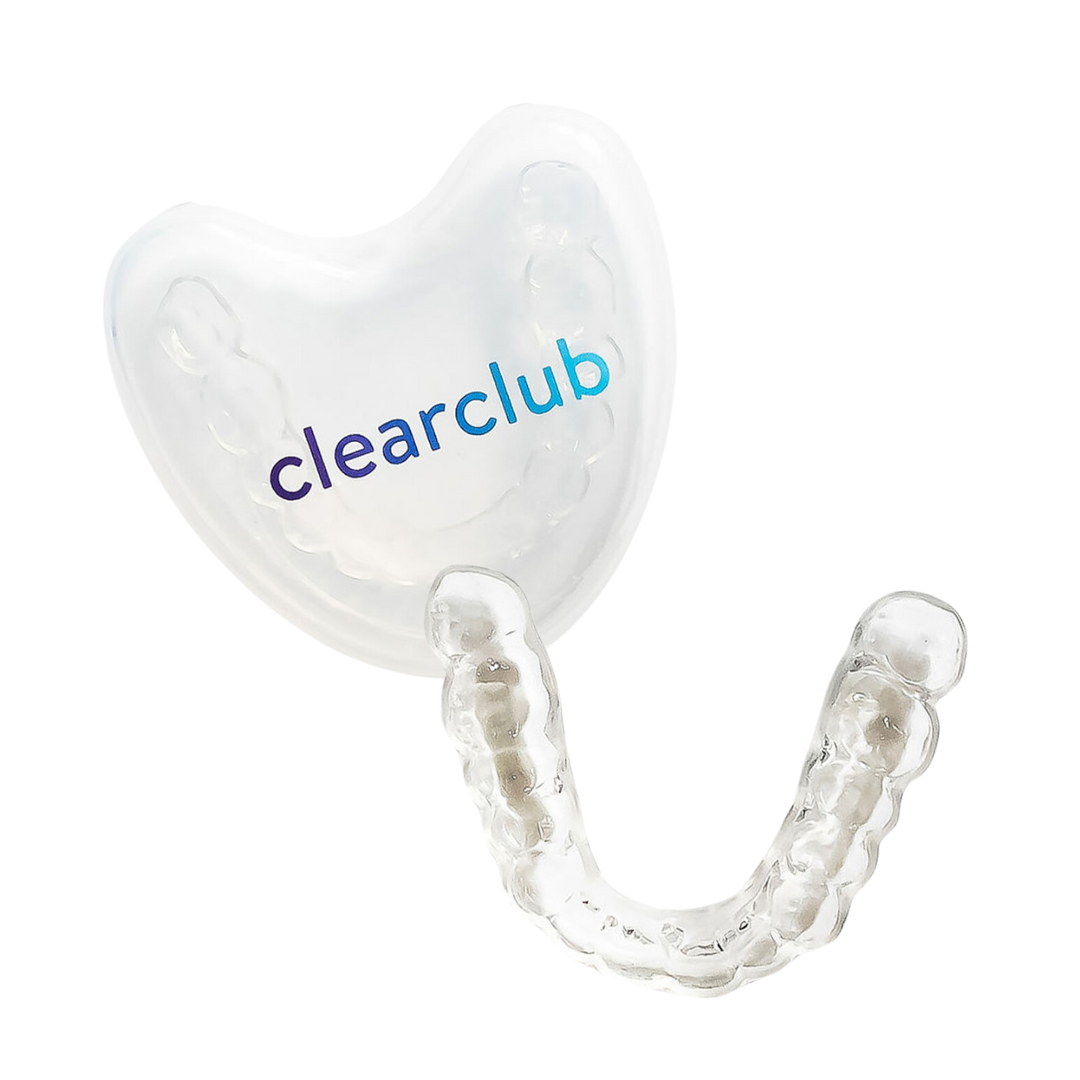


Dealing with parasites and bruxism? Keep your smile safe with a custom night guard. Wearing one can help reduce pain and discomfort caused by bruxism while protecting your teeth from further damage. Our clear, color, and multi-colored custom night guards are designed for a comfortable, secure fit — so you can sleep better while you focus on getting back to feeling your best.
Once you've experienced the comfort and protection of our night guards, our renewal plan makes it easy to get fresh replacements — no hassle, no guesswork. Get your custom night guard for parasite-related bruxism today.
Frequently Asked Questions
❓ Can intestinal parasites really cause teeth grinding?
Research suggests a possible link between intestinal parasites and teeth grinding, mainly through immune responses like elevated IgE levels and inflammation. Digestive discomfort can also affect the nervous system, which may contribute to bruxism in some people.
❓ How can I prevent intestinal parasites?
You can reduce your risk of intestinal parasites by drinking clean water, eating properly washed produce, practicing good hand hygiene, wearing protective clothing when handling soil, following safe-sex practices, and cooking food thoroughly.
❓ Should I assume parasites are the cause of my bruxism?
Not necessarily. Teeth grinding and clenching can have many causes, including stress, sleep-related disorders like sleep apnea, tinnitus, mental and health conditions, and personal factors such as age or personality.
Looking for something else? Check our full FAQs section.