

7 Jaw Exercises for Bruxism to Relieve Jaw Tension & Discomfort
Jaw tension and discomfort are common symptoms of bruxism caused by frequent teeth grinding or jaw clenching. While jaw relaxation exercises cannot cure bruxism, they may help loosen tight muscles, reduce discomfort, and promote a more relaxed jaw.
Here in this blog, you will learn about 7 different exercises that you can do to get relief from bruxism and also other methods that you can adopt to overcome the problem of bruxism.
📑 Table of Contents
What Is Bruxism and Can Jaw Exercises Help?
Bruxism refers to the grinding between the top and bottom sets of teeth or clenching of the jaws, which leads to the exertion of pressure and results in headaches, jaw pain, and poor sleep quality. Bruxism can take place both during daytime and while sleeping.
There are various reasons that can cause you to clench your teeth and grind them. According to the American Academy of Sleep Medicine, stress and anxiety are the main causes of bruxism. High levels of cortisol will increase tension in your muscles and cause low-quality sleep.
7 Jaw Relaxation Exercises for Bruxism
The Mayo Clinic states that doing a few jaw relaxation exercises may help reduce muscle tension and discomfort caused by bruxism. Below is a list of methods you can try:

#1: Chin Tuck Exercise
Gently pull your chin backward as if creating a small double chin, then hold for a few seconds before releasing. Such an activity will help in relieving tension in your neck muscles and maintaining good posture.
#2: Shoulder Roll Exercise
Raise your shoulders slowly, moving them back and down in a circular movement. Relaxation of the shoulder muscles can be helpful for reducing the overrall tightness of the jaw.
#3: Deep Breathing Exercise
Take deep breaths with relaxation of the facial, jaw, and shoulder muscles. This is because stress-induced muscle tension increases jaw clenching.
#4: Tongue Relaxation Exercise
The tip of the tongue should be placed behind the upper teeth in the palate. Relaxing the tongue might assist in not keeping the jaw clenching.
#5: Jaw Muscle Massage
A gentle massage should be done using the fingers around the jaw area by making small circles. It can assist in relaxing the tense muscles of the jaw.
#6: Gentle Jaw Opening Stretch
This is an exercise in which you slowly open and close the mouth without any straining action. It can assist in relieving stiff jaw muscles.
#7: Controlled Jaw Movement Exercise
The jaw movement should slowly be done from side to side and top to bottom without any strain.
Other Ways to Manage Bruxism and Jaw Tension
While jaw relaxation exercises can help reduce muscle tension, they do not cure bruxism or completely prevent nighttime teeth grinding. Other methods may also help manage symptoms and protect your teeth, including:
- Reducing stress triggers before bedtime, such as blue light and excessive screen time
- Limiting sugary and fatty foods and alcohol to support stress management
- Improving sleep habits and creating a sleep-friendly environment
- Using a dental guard to protect your teeth from grinding damage
- Visiting a dentist if symptoms persist
Want to learn more ways to manage bruxism? Read our complete guide next: Stop Teeth Grinding: The Ultimate Bruxism Guide
Relax Your Jaw, Protect Your Smile
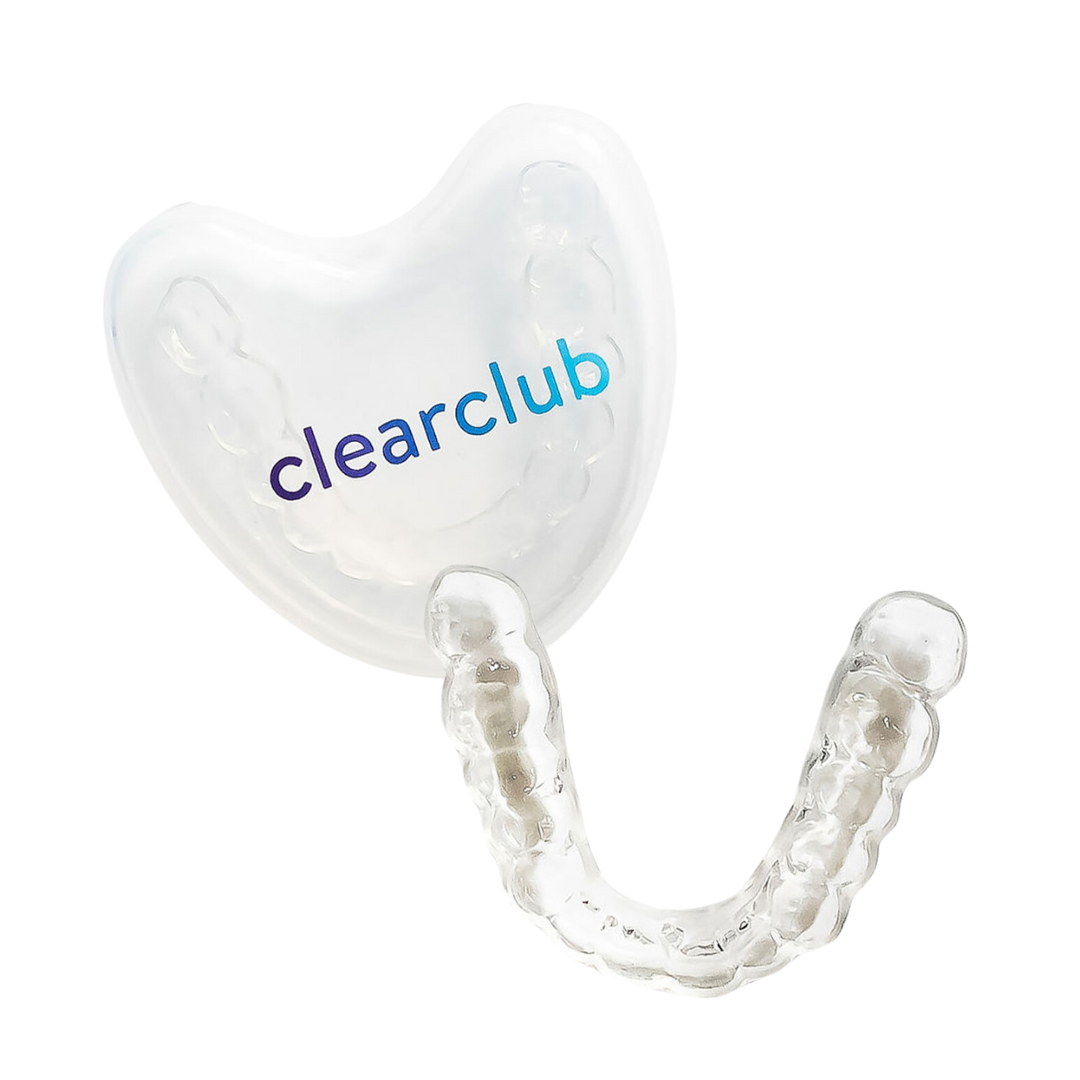


In the process of learning various techniques for relaxing your jaw, wearing a night guard for bruxism will help protect your teeth from any grinding or clenching. ClearClub Custom Night Guards offer you customized protection as they are made from your very own impression and are available in various thicknesses.
To make sure you continue getting effective protection against bruxism, replacing your night guard when needed is important. You can get fresh replacements easily with our renewal plan.
Relax your jaw, protect your smile, and save with ClearClub today.
Frequently Asked Questions
❓ Can jaw exercises stop teeth grinding or clenching (bruxism)?
Jaw exercises may help reduce jaw tension and discomfort caused by bruxism, but they do not completely stop teeth grinding or clenching. For better symptom management, combine them with stress management, a custom night guard, healthy habits, and regular dental checkups.
❓ Can stress make bruxism worse?
Yes, stress can make teeth grinding and jaw clenching worse. Higher cortisol levels can increase muscle tension and affect sleep quality, which may trigger or worsen bruxism.
❓ How often should I do jaw relaxation exercises?
Most jaw relaxation exercises can be done daily or whenever your jaw feels tense. If an exercise causes pain or makes your symptoms worse, stop and consult a dentist or healthcare professional.
Looking for something else? Check our full FAQs section.