

Why Your Night Guard Causes a Sore Throat (And How to Fix It)
Ever wake up with a sore throat and feel like the day's already against you? You take out your night guard, confused — you didn't eat sweets or strain your voice the night before. Then it hits you: could your night guard be causing your sore throat?
In many cases, a night guard causes sore throat symptoms — especially when it doesn't fit properly or isn't cleaned well.
In this blog, we'll break down why a night guard causes sore throat symptoms, the home remedies than can provide relief, long-term fixes that actually work, and how ClearClub can help you sleep comfortably again.
📑 Table of Contents
Signs of a Sore Throat
What is a Sore Throat?
According to the Cleveland Clinic, a sore throat is the uncomfortable , scratchy feeling at the back of the throat (pharynx), caused by inflammation of the mucosa — the lining of your throat. There are two main types: acute and chronic. Acute pharyngitis usually lasts 3–10 days, while chronic pharyngitis can last more than 10 days.
Symptoms of Sore Throat
To know if you have sore throat, you must look out for the following symptoms:
- Feeling feverish or having a mild fever
- Headaches or general body aches
- Upset stomach or nausea
- Swollen or tender lymph nodes in the neck
- Nasal congestion or a runny nose
- Persistent coughing
- Fatigue or low energy
- Hoarseness or voice changes
- Red, irritated throat or swollen tonsils
- White patches, streaks, or spots on the throat or tonsils
What Causes Sore Throat?
A sore throat isn't always caused by sugary treats or yelling. According to NHS Inform, it can also be caused by Group A Streptococcus, the bacteria responsible for strep throat and tonsilitis. Allergens like dust or mold may irritate the throat, and mouth breathing during sleep can dry it out, leading to discomfort and hoarseness the next morning.
While there are other potential causes of a sore throat, these three — bacterial infections, allergens, and mouth breathing — are the most relevant when it comes to wearing a night guard.
Can a Night Guard Cause a Sore Throat

Quick answer: Yes — a night guard can sometimes cause or worsen a sore throat, depending on several factors. Here are 5 ways your night guard might be irritating your throat:
Poor fit or bulky design
A night guard that's too bulky or has an improper fit can press against your throat and force your jaw into an unnatural position, leading to irritation while you sleep.
Dry mouth from mouth breathing
Wearing an ill-fitting mouth guard can increase the likelihood of mouth breathing during sleep. Breathing through your mouth instead of your nose can lead to dry mouth and hoarseness.
Bacteria buildup from improper cleaning
A dirty or improperly cleaned night guard can become a breeding ground for bacteria, including Group A Streptococcus, as well as allergens like dust and mold — both of which are known to cause sore throats.
Incorrect material (hard vs. soft)
An effective night guard should be made from materials that fits your needs. One that's too hard or too soft can irritate your mouth and throat.
Worn-out or damaged night guard
A night guard that's warped or damaged can do more harm than good, irritating both your mouth and throat. Rough edges or misshapen areas can poke your throat and cause discomfort.
How to Fix a Sore Throat from a Night Guard
Fixing a sore throat isn't always easy — especially when the cause is something you wear overnight, like night guard. The good news? There are two effective ways to help relieve your sore throat and prevent it from coming back.

Strategy #1: Short-Term Relief for Night Guard Sore Throats
- Hydration helps soothe a sore throat. Mouth breathing can highly reduce saliva production, so staying hydrated helps keep your throat moist and eases the dry, uncomfortable feeling of a sore throat.
- Gargle a saltwater rinse. This saline solution helps reduce acidity in your mouth, making it harder for sore-throat-causing bacteria to thrive while also soothing throat irritation.
- Let a humidifier help prevent overnight throat dryness. Low humidity can dry out your nose and throat, making sore throats more likely. Using a humidifier adds moisture to the air and helps prevent this discomfort.
- Reduce exposure to irritants that intensify sore throats. Allergens such as dust, dust mites, pet dander, mold, and cigarette smoke can irritate your throat. Keeping your environment can help reduce flare-ups and prevent recurring discomfort.
Strategy #2: Long-Term Fixes for Night Guard Sore Throats
- Replace your night guard. A warped, damaged, or filthy guard can irritate your mouth and throat, making sore throats more likely.
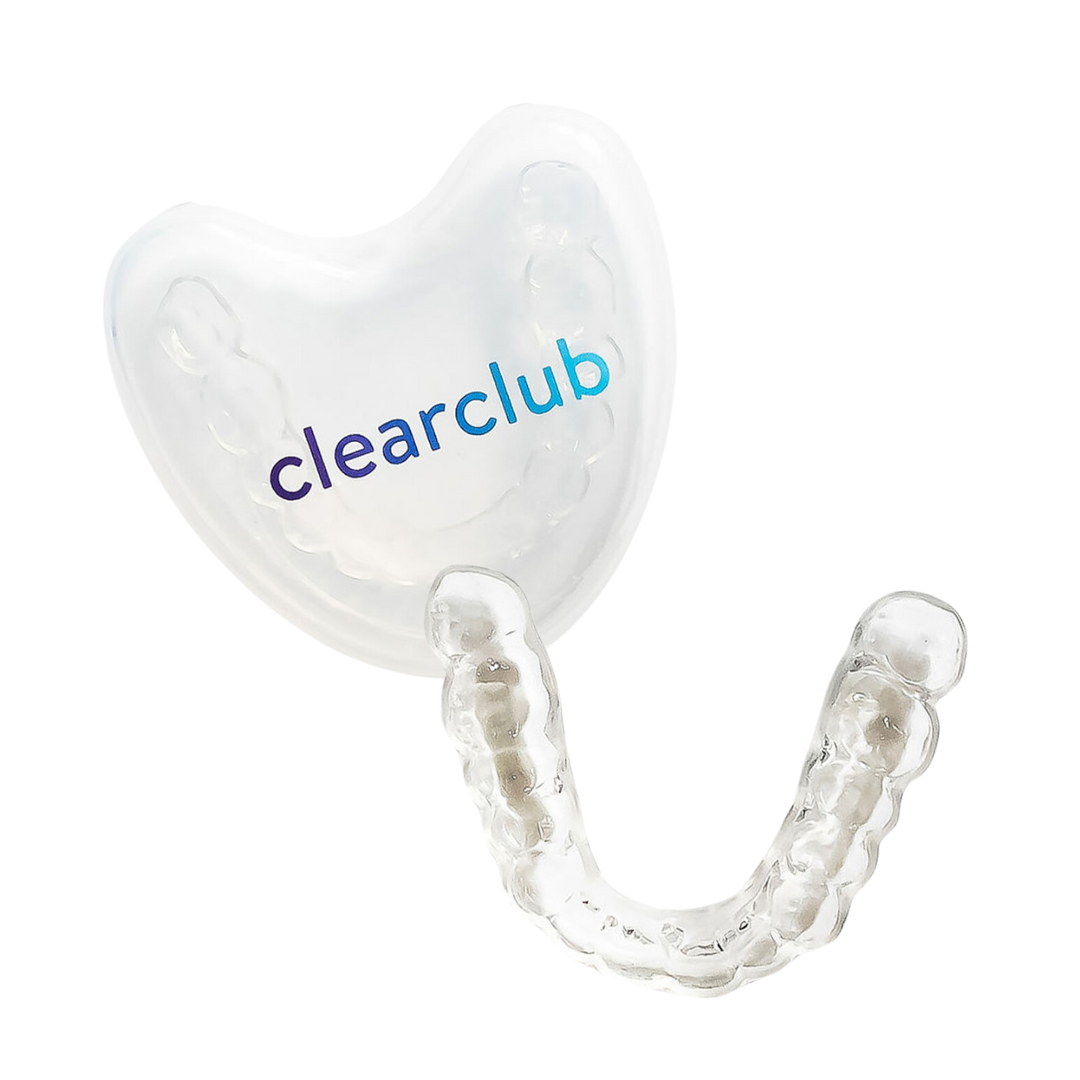
- Make sure the replacement guard fits your teeth and needs. A night guard with the right thickness and material — like ClearClub's custom night guards — can help prevent mouth breathing and reduce throat irritation while you sleep.
- Go for a custom fit guard. It provides better protection and comfort than bulky, one-size-fits-all OTC guards, lessening discomfort and irritation for your mouth and throat.
- Upgrade your dental guard cleaning routine. Using an antimicrobial soap and a soft-bristled toothbrush is a start, but adding a cleaning + whitening foam can help reduce bacterial growth that kickstarts a sore throat.
Prevent Sore Throats with the Right Night Guard


Frequently Asked Questions
❓ Can a night guard cause sore throat?
Yes. A night guard that is unclean, ill-fitting, or too bulky can irritate your throat and mouth, leading to bacterial buildup, dryness from mouth breathing, and general discomfort—especially after being worn overnight.
❓ How do I know if my night guard is causing a sore throat?
Signs include waking up with an itchy throat, a dry mouth from overnight mouth breathing, hoarseness, and persistent soreness or discomfort after wearing your night guard.
❓ What should I do if I get a sore throat from my night guard?
For short-term relief, try gargling a saltwater rinse to cleanse and soothe your throat, stay hydrated, use a humidifier to reduce dryness, and limit exposure to allergens such as dust mites, mold, and cigarette smoke. For a long-term solution, replace your night guard with a fresher, better-fitting one to prevent irritation and sore throats.
Looking for something else? Check our full FAQs section.