

Biting My Lips at Night — How a Night Guard Can Help
Most people think night guards are just for teeth grinding. But sometimes, they do more — they can even help stop involuntary habits like lip biting.
This post was inspired by a real ClearClub customer who found relief using a custom night guard to prevent nighttime lip biting. We'll look at what causes lip biting, why a night guard helps in more ways than you might expect, and how ClearClub can help you experience the same relief.
📑 Table of Contents
Real Customer Review: How a ClearClub Night Guard Helps Prevent Lip Biting
One of our customers shared how lip biting related to Tourette's Syndrome affected them, and how a ClearClub night guard helped reduce it.

Click here to view full review
Text version: "I have Tourette's, and my main issue is lip-biting. I figured if I had something in my mouth to prevent me from biting my lip, it might help — but the guards from my dentist were always too thick and needed constant adjustments... I did some research and found ClearClub, and I'm so glad I did. This is an excellent mouthpiece for people with lip-biting issues, which is far more common than people realize... your product works."
Why Lip Biting Happens and How to Prevent It
According to the Medical News Today, lip biting generally has two causes: physical and psychological. The latter affects how a person chews or talks, while the former involves emotions — like stress or anxiety — that trigger an unconscious response. When it's not addressed, this habit can cause irritation, discomfort, and problems that tend to build up.
Physical Causes
Physical causes of lip biting include teeth alignment issues (malocclusion) and temporomandibular disorders (TMD). These conditions can affect how the jaw moves, causing people to accidentally bite their inner cheeks, lips, or tongue — making canker sores more common.
Psychological Causes
Stress and anxiety are common psychological triggers for lip biting. Over time, this habit can become a Body-Focused Repetitive Behavior (BFRB), a term for a set of self-grooming behaviors during emotionally charged situations. According to the BFRB Resource Center, chronic lip biting is in the same family as hair pulling, skin picking, and nail biting.
Other Causes
Involuntary lip biting can also stem from specific health conditions. Stress-related or bruxism-associated disorders, like Tourette's Syndrome, are known to trigger this habit. In fact, bruxism itself, or teeth grinding or clenching, can considerably induce nighttime lip biting.
How a Night Guard Can Stop Lip Biting at Night

10 Effective Techniques to Reduce Lip Biting Habits
- Pay attention to your lip biting habits — tracking them can reveal patterns and help you handle the urge before it happens.
-
Practice habit reversal training, where you swap lip biting for a safer behavior to stop the urge before it turns into a reflex.
- Chewing gum, sucking on mints, or using a straw when you drink water can help keep your mouth occupied.
- Lessen triggers: keep lips hydrated and avoid factors that encourage lip biting.
-
Try relaxation techniques like deep breathing or meditation to manage stress and prevent lip biting.
- Keep your hands busy with stress balls, fidget toys, or other objects to redirect lip biting impulses.
- Consider therapy options like cognitive behavioral therapy (CBT) to create a personalized approach on knowing your triggers and adopting coping mechanisms.
- A healthy routine that includes exercise, balanced meals, and enough sleep can help reduce stress and minimize lip biting.
- Practice positive reinforcement celebrate small wins to recondition your brain to not view lip biting as a coping mechanism.
- Share your efforts to reduce lip biting with trusted people so they can encourage you and celebrate your progress.
These techniques work best when paired with a custom night guard that acts as a physical barrier — especially when lip biting happens during sleep.
Protect Your Teeth and Prevent Lip Biting with a Custom Night Guard
Dealing with the same issue as our customer? A ClearClub custom night guard can help. By creating a protective barrier between your teeth, it lowers the chances of involuntary lip biting.
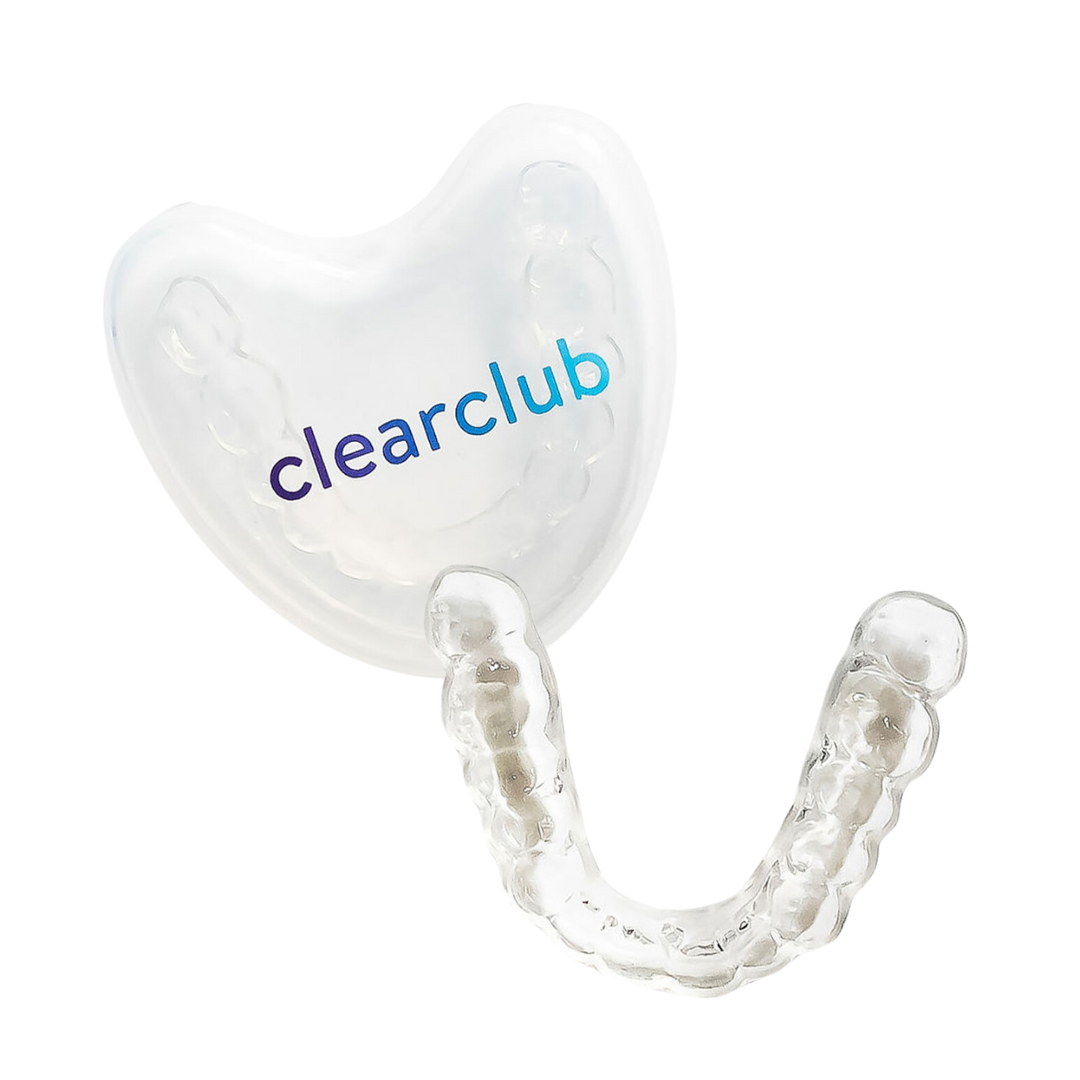


For a seamless, near-transparent guard suitable even for daytime use, try our Clear Custom Night Guard. Want a personalized touch? Choose from a variety colors with our Multi-Color and Color Night Guards.
You can also register to our renewal plan to receive fresh replacements every 3, 4, or 6 months — keeping your guard effective and your smile protected.
Skip stressful nights and damaged lips — try a proven, trusted night guard from ClearClub today!
Frequently Asked Questions
❓ Why do I bite my lips during the day or night?
Lip biting, whether during the day or at night, can stem from physical issues (like teeth alignment or TMJ), emotional triggers (such as stress or anxiety), or neurological conditions like Tourette’s syndrome and bruxism.
❓ Can a ClearClub night guard help prevent lip biting at night?
Our night guards are made for bruxism, but some customers report that they also help reduce involuntary lip biting by acting as a protective barrier.
❓ Are there other ways to stop lip biting?
Yes. Managing stress, practicing habit reversal, rewarding progress, keeping track of your lip biting, and leaning on a support system can all help you bite your lips less often.
Looking for something else? Check our full FAQs section.