

Can Antidepressants Cause Teeth Grinding (Bruxism)? Symptoms & Tips
You finally found an antidepressant that works. But then you start noticing changes in your sleep. You wake up with a sore jaw, headaches, or teeth that feel unusually sensitive. Sound familiar?
Teeth grinding or clenching, also known as bruxism, is often blamed on stress. But in other cases, another trigger could be hiding in plain sight: the medication sitting in your medicine cabinet.
Find out how antidepressants may contribute to bruxism, why it happens, how to manage these side effects, and how ClearClub can help protect your teeth.
📑 Table of Contents
What Are Antidepressants and How Do They Help?
When mental health symptoms begin to affect your day-to-day life, antidepressants are often part of the conversation.
Antidepressants, according to the Cleveland Clinic, are prescription medications used to help manage mental health conditions such as depression, anxiety, PTSD, and certain eating disorders. They don't cure these conditions, but they play an important role in treatment. When used alongside therapy, they can help regulate mood and may also improve sleep, appetite, and focus.
What Is Bruxism?
Bruxism is the medical term for teeth grinding or clenching. It happens when your teeth gnash together, mimicking a sound similar to chewing ice. It has two types: awake and sleep bruxism.
Awake bruxism happens during the day. Clenching your jaw while dealing with everyday stress — whether it's a hectic day at work, school challenges, or just tension at home — can be a sign that you have daytime bruxism.
Sleep bruxism, on the other hand, occurs at night while you're asleep. Nighttime bruxism often shows up in subtle ways — a sore jaw in the morning, worn-down teeth, or a partner pointing out that you grind your teeth while sleeping.
Stress is not the only trigger to cause bruxism. Other factors like age, personality, genetics, mental health and health conditions, and medications can worsen teeth grinding behaviors.
Can Antidepressants Cause Teeth Grinding?

Antidepressants and Their Side Effects
| Antidepressant/Drug | Purpose |
|---|---|
| Selective Serotonin Reuptake Inhibitors (SSRIs) | Raises serotonin levels |
| Serotonin-Norepinephrine Reuptake Inhibitors (SNRIs) | Raises serotonin and norepinephrine levels |
| Tricyclic antidepressants | Raises serotonin and norepinephrine levels |
| Monoamine Oxidase Inhibitors (MAOIs) | Increase brain chemicals by inhibiting an enzyme responsible for disassembling them |
| NMDA receptor antagonists | Suppresses N-methyl-D-aspartate receptors |
| Atypical antidepressants | Functions differently in altering brain chemicals |
SSRIs and SNRIs are common examples of serotonergic antidepressants, meaning they increase serotonin activity in the brain. In some people, higher serotonin levels can indirectly reduce dopamine signaling. Since dopamine plays a key role in regulating muscle movement, including jaw control, this imbalance may lead to clenching and teeth grinding.
Antidepressants Linked to Bruxism
Research published in The Journal of Clinical Psychiatry has found that some antidepressants may be linked to teeth grinding, such as:
SSRIs
- Fluoxetine
- Sertraline
- Paroxetine
- Escitalopram
- Citalopram
- Fluvoxamine
SNRIs
- Venlafaxine
- Duloxetine
- Atomoxetine
Others
- Bupropion
- Vortioxetine
- Mirtazapine
In another study from the same journal, researchers noted that antidepressant-related bruxism can affect people of all ages, including children. Signs of teeth grinding are most commonly reported within the first few weeks of treatment or after a dosage adjustment.
To be clear, not everyone who takes these medications will develop bruxism. Dosage, medical history, and individual response can vary depending on the person.
Other Causes of Bruxism and How to Manage Them
Antidepressants are only one of the few factors that cause bruxism. The UK's National Health Service (NHS) notes that teeth grinding is also linked to the following:
Stress and Anxiety
Why it causes bruxism: Stress and anxiety affect certain brain regions that help control muscle movements. Even worse news is, when these two are constantly stimulated by stress, jaw tension is more likely to happen, resulting in bruxism.
What helps: Simple stress management techniques — like deep breathing exercises, reducing screen time before bed, and regular exercise — can help lower cortisol levels and ease jaw tension.
Sleep Disorders
Why it causes bruxism: Sleep disorders such as sleep apnea and chronic snoring have been associated with bruxism. The Sleep Foundation notes that when obstructive sleep apnea (OSA) narrows the airway, the muscles involved in chewing may activate in an effort to reopen it.
On the other hand, mouth breathing also dries out the mouth and throat, which may trigger teeth grinding or clenching as a reflex.
What helps: A custom-fitted night guard can help protect your teeth from grinding or clenching, even when sleep apnea contributes to the tension.
Unhealthy Lifestyle
Why it causes bruxism: Smoking, heavy drinking, and recreational drugs such as cocaine and ecstasy can increase stress and may contribue to teeth grinding or jaw clenching.
What helps: To manage bruxism linked to smoking, drinking, and recreational drugs, try swapping these habits for healthier ways to relieve stress — like moving your body, connecting with friends, or practicing mindfulness.
Grinding Your Teeth On Medications? Try ClearClub Night Guard
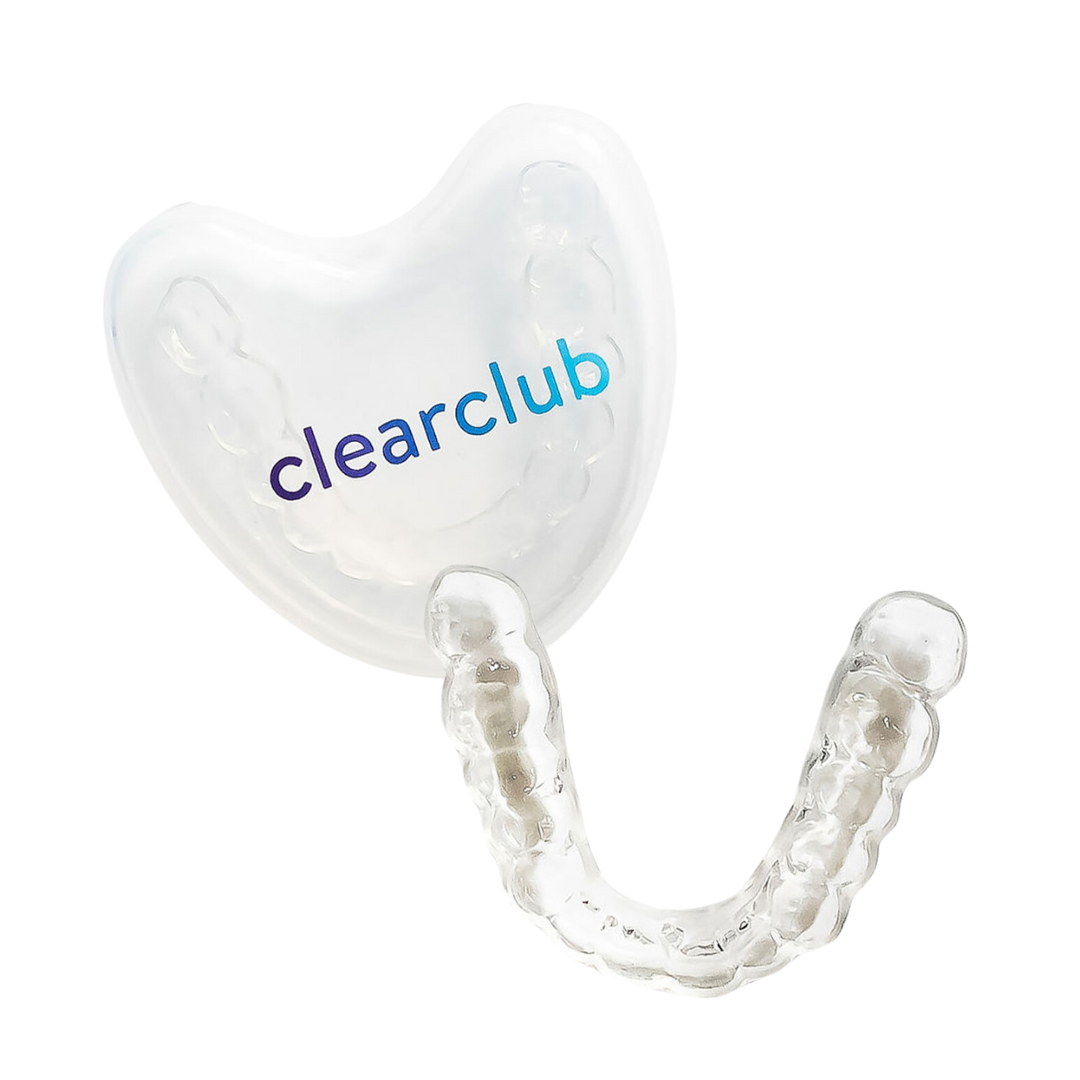


Antidepressants are essential for mental health, and stopping them to reduce teeth grinding isn't the answer. ClearClub offers a comfortable, custom-fitted night guard — available in clear, color, or multi-colored options — that protects your teeth and eases jaw tension. You can also subscribe to our replacement plan, so you never have to worry about ordering a new one.
With ClearClub, you can continue your treatment confidently while minimizing bruxism — no compromises needed. Shop today!
Frequently Asked Questions
❓ Can antidepressants cause bruxism?
Antidepressants can cause bruxism because they affect neurotransmitters — the chemical messengers that send signals throughout your body. Two key examples are dopamine and serotonin; when their balance is disrupted, it can lead to muscle-related effects like jaw clenching.
❓ Which antidepressants are most commonly linked to bruxism?
Selective serotonin reuptake inhibitors (SSRIs) and serotonin-norepinephrine reuptake inhibitors (SNRIs) are antidepressants commonly associated with bruxism. Examples include fluoxetine, sertraline, paroxetine, escitalopram, citalopram, fluvoxamine, venlafaxine, duloxetine, and atomoxetine. Other antidepressants, such as bupropion, vortioxetine, and mirtazapine, may also contribute to teeth grinding.
❓ How soon after starting antidepressants can bruxism occur?
Symptoms often emerge within 3–4 weeks, especially when doses are increased. A night guard can help protect your teeth and ease jaw pain if bruxism becomes part of your treatment journey.
Looking for something else? Check our full FAQs section.