

What Is Bruxism? Causes, Symptoms, and How to Stop Teeth Grinding
Updated with the latest information and research
Do you wake up with jaw pain or find yourself clenching your teeth during stressful moments? These could be signs of bruxism, a condition involving repeated teeth grinding or jaw clenching.
In this blog, we'll cover what bruxism is, its causes and symptoms, how it affects your oral health, and how dental guards can help protect your teeth.
📑 Table of Contents
What Is Bruxism?

According to the Cleveland Clinic, bruxism refers to the involuntary grinding, clenching, or gnashing of teeth that can happen while awake or during sleep.
While many people associate bruxism with nighttime teeth grinding, awake bruxism can also occur during stressful situations or moments of intense concentration. Over time, repeated pressure on the teeth and jaw may lead to discomfort, tooth damage, and other oral health concerns.
Awake Bruxism
Awake bruxism often happens unconsciously during stressful situations or moments of intense concentration.
People may unconsciously clench or grind their teeth while:
- Working under pressure or meeting deadlines
- Concentrating on difficult tasks
- Playing video games
- Driving in stressful traffic
- Managing daily responsibilities
Sleep Bruxism
Sleep bruxism, on the other hand, is what is known as a sleep-related movement disorder. Individuals with sleep bruxism are more likely to have other sleep disorders such as snoring or sleep apnea, the latter of which can lead to serious health issues.
Sleep bruxism may involve:
- Grinding or clenching during sleep
- Loud grinding sounds noticed by a partner
- Sleep interruptions
- Higher likelihood of other sleep-related issues
What Causes Bruxism?
Research suggests that bruxism doesn’t have just one cause. Instead, it can happen due to a mix of factors, including dental issues, stress and anxiety, sleep problems, and changes in how the brain controls jaw movement.
Common contributing factors include:
- Stress and anxiety
- Sleep disorders
- Certain medications
- Caffeine or alcohol consumption
- Smoking
- Teeth alignment issues
- Habitual jaw clenching
What Are the Symptoms of Bruxism?
According to the Mayo Clinic, common signs of bruxism include:
- Teeth grinding or clenching: Unconscious grinding or jaw tightening may be loud enough for others to notice.
- Tooth damage: Constant pressure may cause teeth to wear down, chip, crack, or loosen.
- Enamel wear: Grinding can weaken enamel and expose more sensitive tooth layers.
- Tooth sensitivity: Enamel damage may increase sensitivity or discomfort.
- Jaw, face, or ear discomfort: Bruxism may cause soreness, tightness, or pain around these areas.
- Headaches: Jaw tension may contribute to dull headaches, especially near the temples.
- Cheek irritation: Grinding may lead to accidental cheek biting or soreness.
- Sleep disruption: Nighttime grinding can interfere with restful sleep.
Can Bruxism Cause Jaw Pain and TMJ Problems?
Repeated teeth grinding and jaw clenching can put extra pressure on the muscles and joints responsible for jaw movement. Over time, this strain may contribute to jaw stiffness, aching, and discomfort.
Bruxism is also sometimes associated with temporomandibular joint (TMJ) disorders, although it does not always cause TMJ problems since both conditions can have different causes and contributing factors.
Interested in learning more about how bruxism and TMJ disorders are connected? Read our next guide: The Relationship Between Bruxism and TMJ
How Can You Manage Teeth Grinding?

There are several ways to manage bruxism and reduce its effects on your teeth and jaw. Some approaches can be done at home, while others may require guidance from a dental professional or the use of a protective device like a night guard.
💆🏻 Manage Stress and Lessen Jaw Tension
Stress can contribute to awake bruxism. Managing stress may help diminish jaw tension and clenching.
-
Practice relaxation techniques: Breathing exercises and mindfulness may help calm tension.
- Take breaks: Relaxing your jaw during focused activities can prevent unconscious clenching.
-
Stretch your jaw: Gentle jaw exercises may help relieve tightness.
🥱 Improve Your Sleep Habits
Better sleep habits may help support healthier sleep patterns and address factors linked to sleep bruxism.
- Keep a sleep routine: A consistent schedule can improve sleep quality.
- Limit stimulants before bed: Caffeine and alcohol may affect restful sleep.
-
Address sleep concerns: Talk to a professional if you experience snoring or sleep issues.
🛡️ Wear a Dental Guard or Night Guard
A night guard helps protect your teeth from the effects of grinding and clenching.
- Creates a barrier: Helps reduce direct tooth-to-tooth contact and may decrease accidental lip biting.
- Reduces tooth wear: Helps protect enamel from excessive grinding.
-
Supports jaw comfort: Absorbs some pressure from clenching and grinding.
Protect Your Teeth With a Custom Night Guard From ClearClub
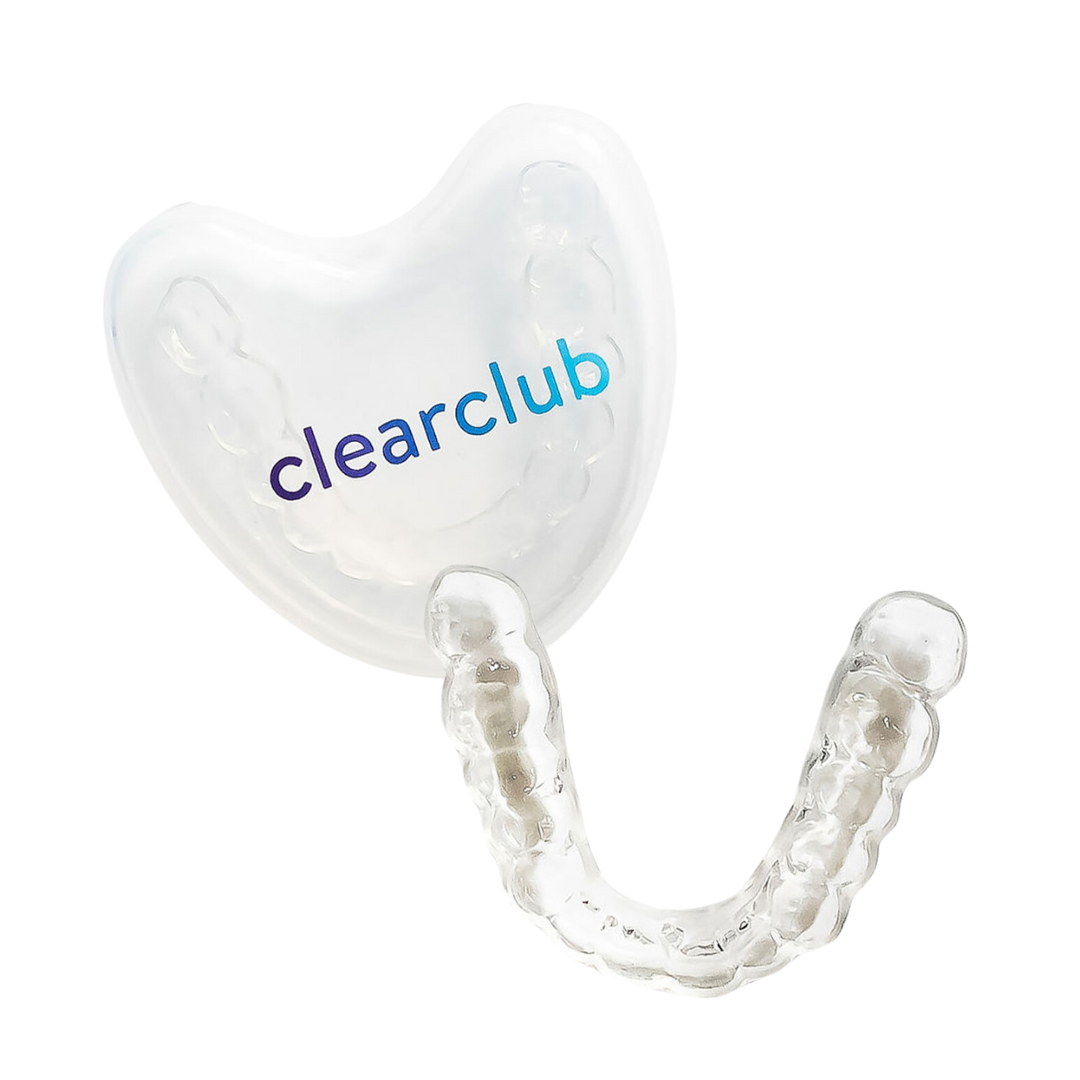


Bruxism can be a frustrating condition, but its symptoms can often be managed with the right approach. Investing in a dental guard or night guard can relieve discomfort as well as save you money in dental and medical bills down the line.
Unlike generic over-the-counter guards, ClearClub provides custom-fit dental guards based on your teeth impressions for a more personalized and comfortable fit. It offers an affordable alternative to traditional dental office guards without sacrificing a personalized fit.
Daily brushing and flossing, regular dentist visits and ClearClub guards are each an integral part of your overall oral health. Give us a try today! Your teeth will thank you.
Frequently Asked Questions
❓ Can bruxism damage my teeth?
Yes. Long-term teeth grinding can wear down tooth enamel, increase tooth sensitivity, cause cracks or chips, and lead to other forms of tooth damage if left untreated.
❓ What is the main cause of bruxism?
Bruxism does not have a single cause. Stress, anxiety, sleep disorders, certain medications, and other physical or lifestyle factors can all contribute to teeth grinding and jaw clenching.
❓ Can a night guard stop teeth grinding?
A night guard may not completely stop bruxism, but it can effectively protect your teeth from the damage caused by grinding and clenching while you sleep.
Looking for something else? Check our full FAQ section.