

Is Your Night Guard Safe? BPA in Oral Appliances Explained
Before purchasing a night guard, most people come across a long list of selling points. Features like a snug fit, durable materials, and an affordable price can easily catch a buyer's attention. One of such phrases is BPA-free, which conveys the sense of safety and high quality of the product. However, what does it mean, and why is it important for something you wear in your mouth throughout the day to be BPA-free?
This article explains what BPA means, which products usually have it, if BPA-like substances can be found in dental guards, what risks they pose, and how you can make safer choices in the future.
📑 Table of Contents
What Is BPA and Why Are People Concerned About It?
As stated by the National Institute of Environmental Health Sciences, Bisphenol A (BPA) is a type of compound that is commonly found in some plastics and resins, particularly polycarbonate plastics. It's used to make plastic stronger, more flexible, and less likely to break over time. It was first used in plastic production in the 1950s.
For this reason, BPA is present in numerous consumer goods made from plastic. Such products include food packaging, canned goods, water bottles, and other plastic-based products, according to WebMD. Since BPA is associated with a long list of items found in nearly every aisle of a grocery store, it is not surprising that it may also come into direct contact with your mouth — for example, through a dental guard.
Can Night Guards Have BPA?

Night guards vary by composition based on whether they are stock, boil-and-bite, or custom-made. Generally, stock and boil-and-bite guards are made from thermoplastic materials, while custom-made night guards may be made from EVA, acrylic, or other dental-grade polymers.
Given the role of BPA in the production of some plastic materials and resins, it seems quite logical to question if BPA can be found in oral devices like night guards. To date, there are no scientific articles that directly address the issue of the presence of BPA in night guards.
However, similar dental devices are mentioned in scientific literature, which may provide relevant data. In the studies related to dental sealants, small amounts of BPA derivatives were detected in saliva following the application of such products. Nonetheless, they were not found in blood samples, making their levels exceedingly low.
Thus, trace amounts of BPA-related compounds largely depend on the materials and production processes used by the manufacturer.
Health Risks with BPA Exposure
BPA exposure is more widespread than many people realize. The Centers for Disease Control and Prevention (CDC) in its National Health and Nutrition Examination Survey (NHANES III) discovered that out of 2,517 urine samples from U.S individuals, 93 percent contained BPA. Moreover, in the study, BPA concentrations were observed to be influenced by age, gender, ethnicity, and family income. This implies that BPA exposure is not exclusive to one particular demographic, but rather exists among diverse populations.
Diet is considered one of the primary sources of BPA exposure, as small amounts from food and drink containers may leach into their contents. The European Environment Agency notes that BPA exposure has been studied for its potential effects on several areas of health, including:
- Reproductive and fertility-related concerns
- Eye irritation and damage
- Skin allergic reactions
- Respiratory irritation
- Disruption of normal hormone function
- Changes in mammary gland development
- Effects on cognitive function, including learning and memory
- Metabolic health concerns
How to Choose a Safer Night Guard
If you're concerned that your night guard may contain BPA, here are some ways to reduce your exposure:
Check your night guard's label
Make sure your night guard is labeled BPA-free. If it isn't clearly labeled, some consumer guides note that certain plastics with recycle codes 3 or 7 may contain BPA in some cases, although this is not a definitive rule.
Go for trusted, transparent brands
Today, products aren't always required to be labeled as BPA-free, which is why it helps to choose brands that are transparent about the materials they use if you want to reduce BPA exposure.
Check or ask about the materials used
If the materials aren't clearly disclosed, it's perfectly okay to review the product details or contact the provider directly for clarification.
Go for high-quality, custom-made night guards
Night guards that are custom-made tend to be of better standard because it uses higher quality, medical-grade materials and are designed for a more precise fit. Unlike generic brands, they tend to provide transparency on material usage, helping alleviate fears of exposure to BPA.
It’s also important to choose a night guard made with FDA-approved materials from trusted manufacturing facilities. Learn why that matters here: Why FDA-Approved Materials Matter for Your Night Guard
Upgrade to a Safer, BPA-Free Custom Night Guard
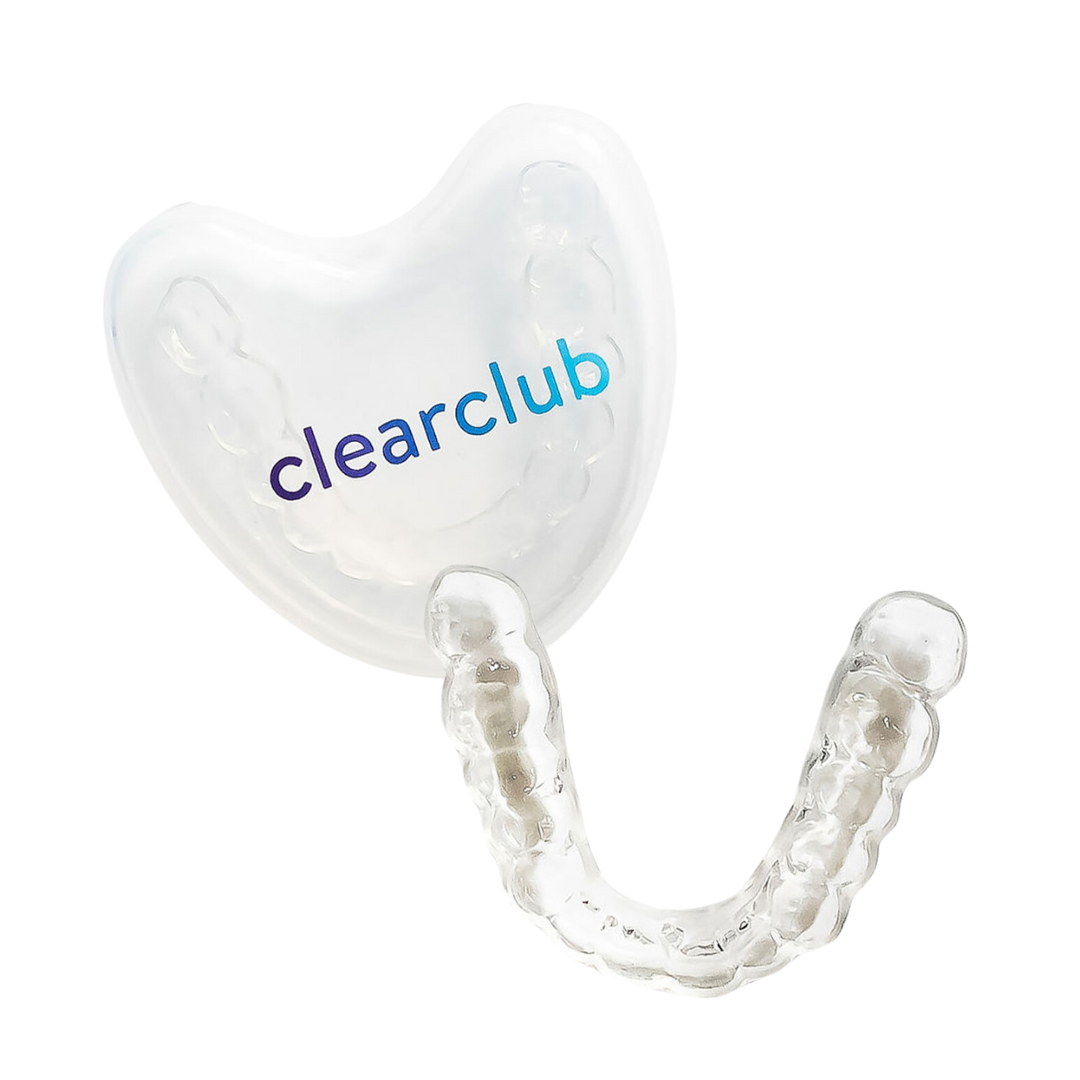


If you're looking for a more convenient option, custom-made night guards made from BPA-free, non-allergenic materials may be worth considering. They are designed to provide a more personalized and comfortable fit throughout the night.
ClearClub offers Clear, Color, and Multi-Color Night Guards made from BPA-free materials and designed for customized wear. For added convenience, our renewal plan can deliver fresh replacements based on the schedule you choose.
Protect your teeth from bruxism with a night guard created for comfort, fit, and material transparency. Explore ClearClub today.
Frequently Asked Questions
❓ Are night guards made with BPA?
Not all night guards contain BPA, but the materials and manufacturing process can play a role in what they’re made of. Generic night guards are usually made from thermoplastics, resins, or rubber-based materials, while custom night guards tend to use medical-grade materials with more transparent production standards.
❓ How do I know if my night guard contains BPA?
The best way to know if a night guard contains BPA is to check the product label or ask your provider about the details of the night guard’s material. For extra peace of mind, go for brands that are transparent about what their night guards are made of.
❓ Is BPA-free night guard necessary?
A BPA-free night guard is usually recommended as a precaution. While BPA has been studied for possible health effects, exposure from dental products is generally considered very low, and research is still ongoing.
Looking for something else? Check our full FAQs section.