

Night Guard Replacement: Every 3, 4, or 6 Months? Here's the Truth
Bruxism, whether it occurs during the day or night, isn't just an incidental annoyance. It's often your body's response to stress — especially during periods of anxiety or tension. When your teeth are left unprotected, they may start showing unpleasant symptoms such as jaw pain, morning headaches, a chipped tooth, and even tooth loss.
Luckily, there are ways to cope with teeth grinding and clenching, such as wearing a night guard. However, your consistency can be tested with one, as it needs to be worn regularly and replaced at the right intervals.
In this blog, we'll cover when to replace your night guard, why is it important to follow the recommended replacement interval, the signs that your night guard needs replacing, and what ClearClub can offer as a solution.
📑 Table of Contents
- How Often Should You Replace a Night Guard? (3, 4, or 6 Months Explained)
- Why Night Guard Replacement Timing Varies
- How Long Different Types of Night Guards Last
- Signs You Need to Replace Your Night Guard
- How to Make Your Night Guard Last Longer (Care Tips)
- Upgrade or Replace Your Night Guard for Better Protection
How Often Should You Replace a Night Guard? (3, 4, or 6 Months Explained)

In the dental world, it is widely accepted that the basic rule when replacing your night guard is to follow a 3-6 month interval. But what most people don't know is why these specific timeframes matter. Below is a break down of each interval and what it means:
🔴 Every 3 months (For Heavy Grinding or Extra Soft Night Guards)
If you have strong daytime or nighttime teeth grinding or wear a very soft or even generic night guard, replacing your device every 3 months is highly advised.
According to the Mayo Clinic, severe bruxism might cause substantial damage to dental work, tension-type headaches, and serious pains in the jaw or face along with problems with TMJ.
With such immense pressure put on the night guard, the material begins to break down faster. It is especially prevalent in soft or regular guards with are not intended for heavy grinding. Getting a new one every three months helps make sure your night guard still does its job properly.
🟠 Every 4 Months (Moderate Grinding)
For mild teeth grinding, night guards have a slightly higher durability but will gradually wear out. As per Better Health Channel, there might be symptoms like jaw pain or headaches upon waking up, stiffening of the face, teeth becoming sensitive to hot, cold, or sugary food and beverages, chipped, fractured, or loose teeth, and eventually tooth loss.
The decreased but repeated pressure still causes wear on the mouthguard, so replacing it every four months helps keep it effective.
🟢 Every 6 Months (Mild Grinding or Properly Maintained Night Guards)
If you grind your teeth occasionally or use a durable, well-fitted night guard, replacement every 6 months may be sufficient.
Guards with higher quality tend to use sturdier materials, provide better fitting, and be more easily cleaned than average guards. Despite all efforts taken to care for them properly, guards can become less effective and comfortable over time due to the accumulation of bacteria and natural wear.
Why Night Guard Replacement Timing Varies
There are several factors to consider before replacing your night guard, such as:
1. How often you grind your teeth or clench your jaw
Things like stress, daily habits, and certain health conditions can make teeth grinding happen more often.
2. Severity of your bruxism
The amount of force generated by your jaw is around 120-160 PSI, which is equal to that applied on eating steak. The consistent application of this force results in gradual degradation of night guard material.
3. Material of your night guard
Hard materials may feel bulky, while softer ones may wear out faster. Generic guards are commonly made from silicone or thermoplastic materials, while custom options may use materials such as EVA, acrylic, or other dental-grade polymers. Understanding their pros and cons helps you choose the most suitable replacement long term.
4. Fit of your night guard
Your comfort and durability depends on the fit of your night guard. Both boil-and-bite and stock mouthguards provide very little customization, thus being uncomfortable and fragile because of the grinding force.
5. Cleanliness and hygiene
If you don't clean your mouthguard regularly, there will be bacterial accumulation that could impact your health.
How Long Different Types of Night Guards Last
Realistically speaking, every type of night guard has its own lifespan. Below is a comparison of four types: boil-and-bite, OTC/stock, dentist-made, and direct-to-consumer custom night guards.
| Feature | Boil-and-Bite Night Guards | OTC/Stock Night Guards | Dentist-made Night Guards |
Direct-to-Consumer Night Guards |
|---|---|---|---|---|
| What's it made of | Thermoplastic or EVA (Ethylene-vinyl acetate) | Silicone, rubber, or basic plastic | Acrylic, EVA, and other dental-grade polymers | EVA, acrylic, and other dental-grade polymers |
| Who it's for | Suitable for those looking for a temporary solution to teeth grinding | Best for occasional grinding or short-term use | Recommended for heavy grinders or those needing long-term protection | Suitable for moderate to heavy grinders seeking a more affordable custom-fit alternative to dentist-made guards |
| Typical lifespan | 1–2 months | A few weeks to 2 months | 1–3+ years | 6–12+ months |
| Downsides | Less precise fit compared to custom options | Bulkier design with a less secure fit | Higher cost and requires a dental visit | May not include in-office adjustments from a dentist |
Signs You Need to Replace Your Night Guard
Here are a few signs that your night guard may need replacing:
- Visible signs of wear and tear
- Persistent bacterial buildup even after regular cleaning
- Warping or bent edges and corners
- Recent dental work that may affect the fit
- Desire to switch from a generic guard to a custom-fitted one
How to Make Your Night Guard Last Longer (Care Tips)
Taking care of your night guard involves more than occasional brushing. Proper maintenance helps preserve its material, fit, and overall effectiveness. Below are some safe and effective ways to clean your night guard:
- Clean it using antimicrobial soap and a soft-bristled toothbrush to avoid damaging the material
- Avoid excessive use of acidic DIY cleaning solutions
- Rinse it after every use and allow it to air-dry completely before storing
- Keep it out of reach of children and pets
- Avoid eating or drinking while wearing your night guard
Want a more in-depth guide on cleaning your night guard? Read this next: How to Clean Night Guards [Expert Tips and Advice]
Upgrade or Replace Your Night Guard for Better Protection
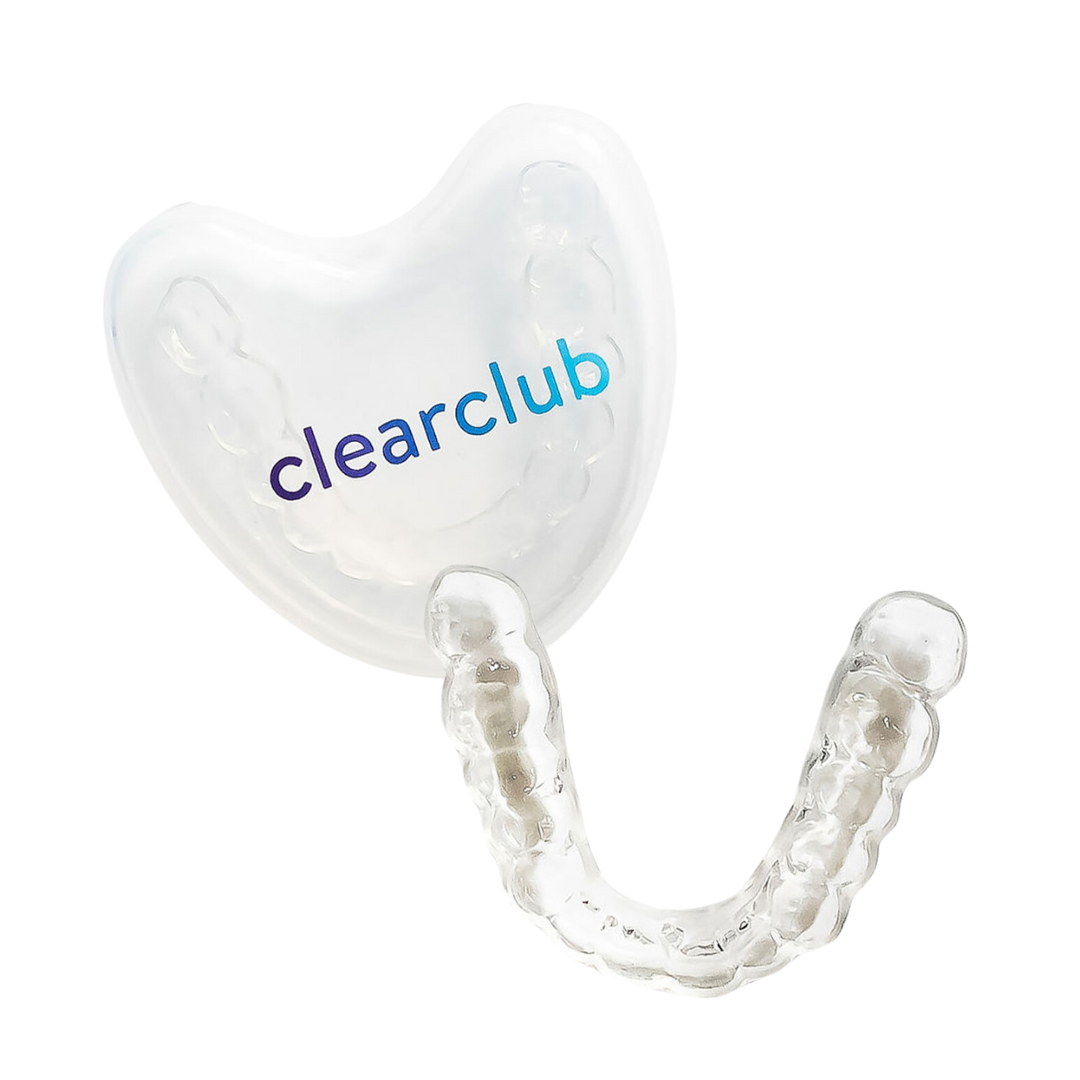


A common belief among many people is that it is better to continually purchase inexpensive items within a few weeks than to invest in something sturdier, like a custom dental guard — however, what if there were an alternative?
ClearClub's Clear, Color, and Multi-Color night guards are designed to offer both effectiveness and affordability. They are EVA-based with a soft inner and outer layer, made using BPA-free, FDA-approved materials.
You can choose replacement options based on your needs and recommended wear intervals through our renewal plan. Find the night guard that fits your routine.
Frequently Asked Questions
❓ How often should I replace my night guard?
It depends on the severity of your teeth grinding. Heavy grinders may need a replacement every 3 months, moderate grinders around 4 months, and mild or well-maintained night guards every 6 months.
❓ What happens when I don’t replace my night guard regularly?
Not replacing your night guard regularly can reduce its effectiveness and impact your oral health. Over time, constant teeth grinding can cause wear and damage, especially in night guards made from less durable materials.
❓ Are custom night guards better than boil-and-bite or stock options?
Custom night guards offer more personalization than boil-and-bite or stock options. They are typically less bulky, more durable, and tailored to the fit of your teeth for improved comfort and protection.
Looking for something else? Check our full FAQs section.