

How Working From Home Can Affect Teeth Grinding & Bruxism
Updated with the latest information and research
Working from home offers convenience, but it can also blur the line between work and personal time. Long hours at a computer, increased stress, and changes in daily routines may contribute to teeth grinding and jaw clenching.
In this blog, we’ll discuss how working from home can affect bruxism, the habits that may worsen grinding, and simple ways to manage stress while protecting your teeth with healthier routines and a custom night guard.
📑 Table of Contents
Can Working From Home Make Teeth Grinding Worse?
Working from home does not directly cause teeth grinding, but changes in stress levels, routines, and daily habits may contribute to factors linked to bruxism. While remote work offers convenience, it can also introduce stressors and habits that may increase jaw clenching and teeth grinding.
A 2026 study published in Science found that remote work may affect social connection and mental well-being, with some individuals experiencing increased feelings of isolation and distress. While the study did not directly examine bruxism, these stress-related changes may contribute to habits associated with teeth grinding, such as jaw clenching.
Common Work-From-Home Habits That May Contribute to Bruxism
Some people may also unconsciously clench their jaw during periods of intense concentration or stress while working (daytime bruxism), which can place additional strain on the jaw muscles and teeth.
Other habits that may contribute to bruxism include:
- Working long hours without taking breaks
- Staying in the same position for extended periods
- Poor posture that increases muscle tension
- Difficulty separating work and personal time
- Increased screen time and mental fatigue
- Disrupted sleep schedules
How to Create Healthier Work-From-Home Habits

Building healthier work-from-home habits can help manage stress and reduce factors that may contribute to bruxism. From improving your workspace to taking regular breaks, simple adjustments can support your overall well-being and help protect your teeth.
Start Your Day Like You're Going to Work
Working from home can make it easy to lose structure in your daily routine. Simple habits like getting dressed, planning your tasks, and preparing for the day can help create a clearer separation between work and personal time.
According to the National Alliance on Mental Illness (NAMI), morning routines can support productivity and overall well-being. Building a more structured routine may also help manage daily stress, which is a common factor linked to teeth clenching and grinding.
Set Up a Dedicated Workspace
Working from the couch or bed may feel comfortable, but having a dedicated workspace can help create a clearer boundary between work and relaxation. A clean and organized desk can also improve focus, reduce distractions, and create a clearer separation between work and home life.
Research suggests that an organized workspace can help reduce stress, improve concentration, and support better work performance. Keeping your desk clutter-free, organizing essential items, and creating a space designed for work can help you build healthier remote work habits.
Take Regular Breaks to Move and Relax
Spending long hours at a computer can increase stress and mental fatigue. Research shows that taking regular breaks, including short micro-breaks, can help reduce stress, maintain productivity, and support overall well-being.
Simple activities like stretching, walking, deep breathing, or stepping away from your screen can help your mind and body recover. Reducing daily tension may also help prevent habits linked to stress, such as jaw clenching and teeth grinding.
Create Clear Work-Life Boundaries
When working from home, it can be difficult to separate your professional and personal life. Setting clear work hours, taking time to relax, and disconnecting from work-related tasks can help create a healthier balance.
Mental Health America highlights that maintaining a healthy work-life balance can help reduce stress and support overall well-being. Creating boundaries, such as avoiding work outside your scheduled hours, may also help prevent stress-related habits like jaw clenching and teeth grinding.
Maintain a Consistent Sleep Schedule
Sleep plays an important role in managing stress and maintaining overall well-being. According to the American Psychological Association, many adults experience poor sleep quality due to stress, and those who get less sleep often report higher stress levels.
Maintaining a consistent sleep schedule, creating a relaxing bedtime routine, and prioritizing enough rest can help support better recovery and reduce daily tension. Since stress and poor sleep are commonly linked to teeth grinding, improving your sleep habits may also help protect your oral health.
You can also establish a relaxing bedtime routine to help prepare your mind and body for restful sleep. Learn more in our 8 Bedtime Habits to Reduce Teeth Grinding and Sleep Better
How Can You Protect Your Teeth From Stress-Related Grinding?
Building healthier work-from-home habits can help reduce stress, but because teeth grinding often happens unconsciously during sleep, lifestyle changes alone may not fully protect your teeth. Wearing a custom night guard can help prevent the damage caused by grinding while you continue building healthier daily habits.
According to the Cleveland Clinic, mouth guards help protect teeth from the effects of grinding and clenching and can be worn during the day or at night. While many people use them while sleeping because nighttime grinding is common, they may also provide protection for those who experience stress-related clenching during the day.
Want to learn more about bruxism? Read our guide, What Is Bruxism? Causes, Symptoms, and How to Stop Teeth Grinding, to learn about its causes, symptoms, and treatment options.
Protect Your Smile With a Custom Night Guard From ClearClub
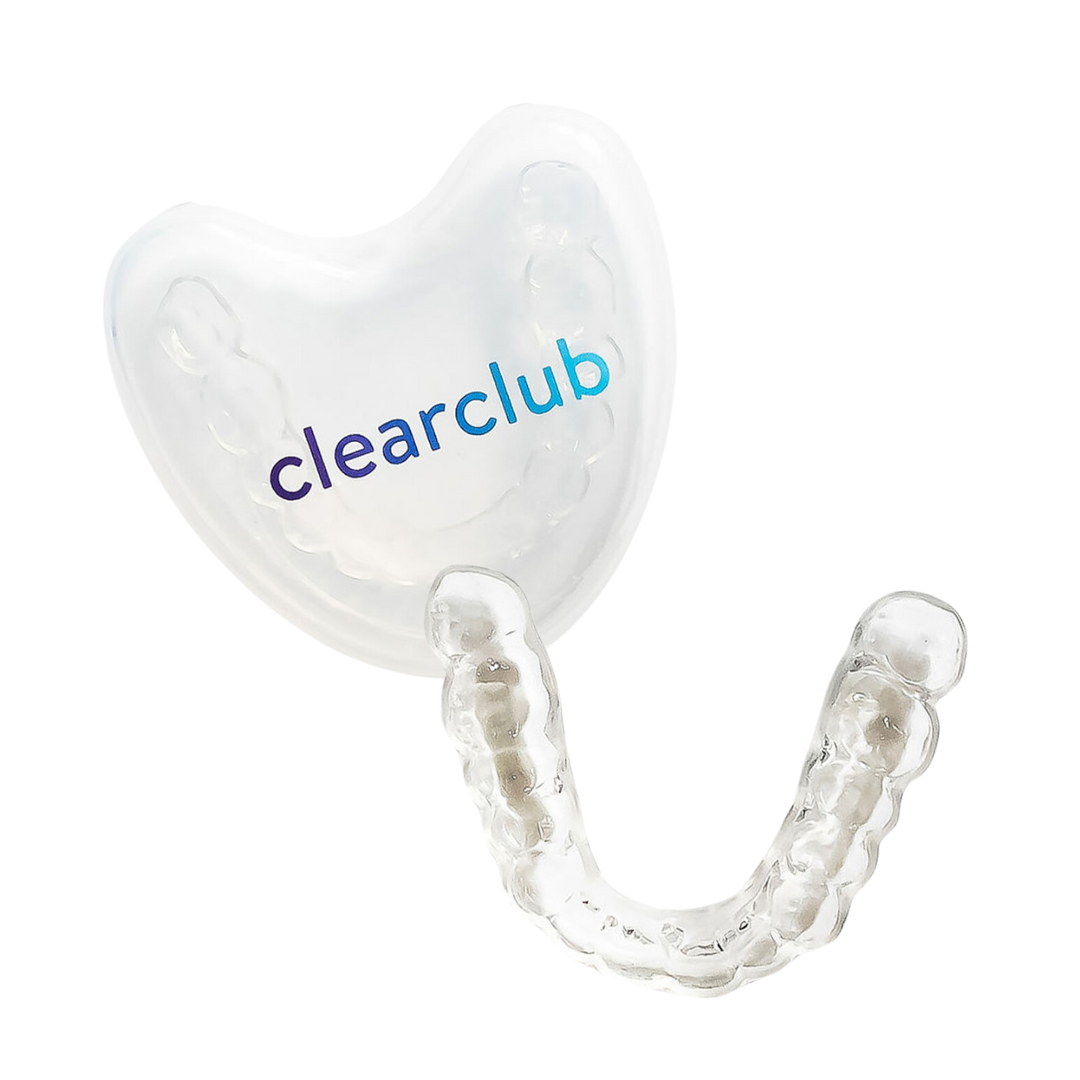


A custom night guard creates a protective barrier between your upper and lower teeth, helping reduce the effects of grinding and clenching while you sleep. ClearClub's custom-fit night guards are made from durable, professional-grade materials and delivered through an easy at-home impression process, making it simple to protect your smile from long-term damage.
Frequently Asked Questions
❓ Can working from home cause teeth grinding?
Working from home does not directly cause bruxism, but changes in routine, increased stress, and poor sleep habits may trigger or worsen teeth grinding.
❓ Can stress cause daytime teeth grinding?
Yes. Stress can cause some people to clench their jaw or grind their teeth while awake, especially during periods of concentration, tension, or emotional strain.
❓ Can a night guard stop teeth grinding?
A night guard does not eliminate the habit of grinding, but it helps protect your teeth from the excessive pressure, wear, and damage caused by clenching and grinding.
Looking for something else? Check our full FAQ section.