

TMJ or Impacted Wisdom Teeth? Jaw Pain Explained
Jaw pain isn't always easy to pinpoint. Some people might say it's caused by an oral condition like TMJ, while others blame impacted wisdom teeth — especially when the pain comes from the same general area at the back of the jaw (and gets worse when chewing).
In this article, we'll help you understand the difference between jaw pain caused by TMJ disorder and impacted wisdom teeth, why these conditions are often confused, when to consult your dentist, and what you can do once your symptoms are properly evaluated.
📑 Table of Contents
What Are Impacted Wisdom Teeth?
What Does Impacted Mean
Most people develop up to four wisdom teeth that grow at the back of the mouth. However, it may happen that there is no sufficient space for their eruption, thus resulting in impaction of a wisdom tooth.
According to the Cleveland Clinic, an impacted tooth is a tooth that becomes stuck in the gums or jawbone without erupting fully. They are really common, with 9 out of 10 people having them in the US.
Types of Impacted Wisdom Teeth
There are several types of impacted wisdom teeth, each varying on how it grows on your gums.

- Mesioangular - Tooth tilts forward the tooth in front. Most common type.
- Vertical - Tooth is in upright position but not enough space for eruption.
- Horizontal - Tooth grows sideways toward the adjacent molar. Often the most problematic.
- Distoangular - Tooth tilts toward the back of the mouth. Least common type.
What is TMJ Disorder (TMD)?
The Mayo Clinic explains that the TMJ disorder or TMD is a type of problem that results in pain and discomfort in the jaw joint and the muscles that move the jaw.
Although the exact cause of TMD has not been identified yet, several triggers such as stress, teeth grinding or clenching, arthritis, jaw surgery, and chewing gum are thought to cause this problem.
Key Differences: Wisdom Teeth Pain vs. TMJ Pain
It is quite common to mistake pain from an impacted wisdom tooth for TMJ-related pain. However, the underlying cause of the pain is usually very different.
| Category | Impacted Wisdom Tooth | TMJ Disorder (TMD) |
|---|---|---|
| Pain location | Back of the mouth, near the wisdom tooth | Jaw joint (in front of the ear), jaw muscles, or temples |
| Common Symptoms | Swollen gums, tenderness, difficulty opening the mouth, bad breath | Jaw clicking or popping, jaw locking, headaches, facial pain |
| Pain Trigger | Pressure on the wisdom tooth, inflammation, chewing | Chewing, yawning, clenching or grinding |
| Cause | Tooth is trapped beneath the gums or jawbone | Problems involving the jaw joint, muscles, or surrounding tissues |
| Diagnosis | Dental exam or X-rays | Clinical exam, symptom evaluation, and sometimes imaging |
| Treatment | Monitoring, medication, or wisdom tooth extraction | Lifestyle changes, physical therapy, medication, or a custom night guard |
Keep in mind that it's possible to have both an impacted wisdom tooth and TMJ disorder at the same time. If your jaw pain is persistent or difficult to assess, it's best to see a dentist for proper evaluation.
When Should You See a Dentist?
You should schedule a dental evaluation if you experience the following symptoms:
- Persistent or worsening jaw pain
- Swelling around the wisdom tooth
- Difficulty opening your mouth
- Pain when chewing that doesn't improve
- Jaw locking or frequent clicking accompanied by pain
- Signs of infection, such as pus, fever, or a bad taste in your mouth
If you have been experiencing any form of pain or discomfort, a dentist will be able to determine whether or not it is caused by your impacted wisdom teeth or even any other oral problem like TMJ.
Protect Your Smile While You Sleep
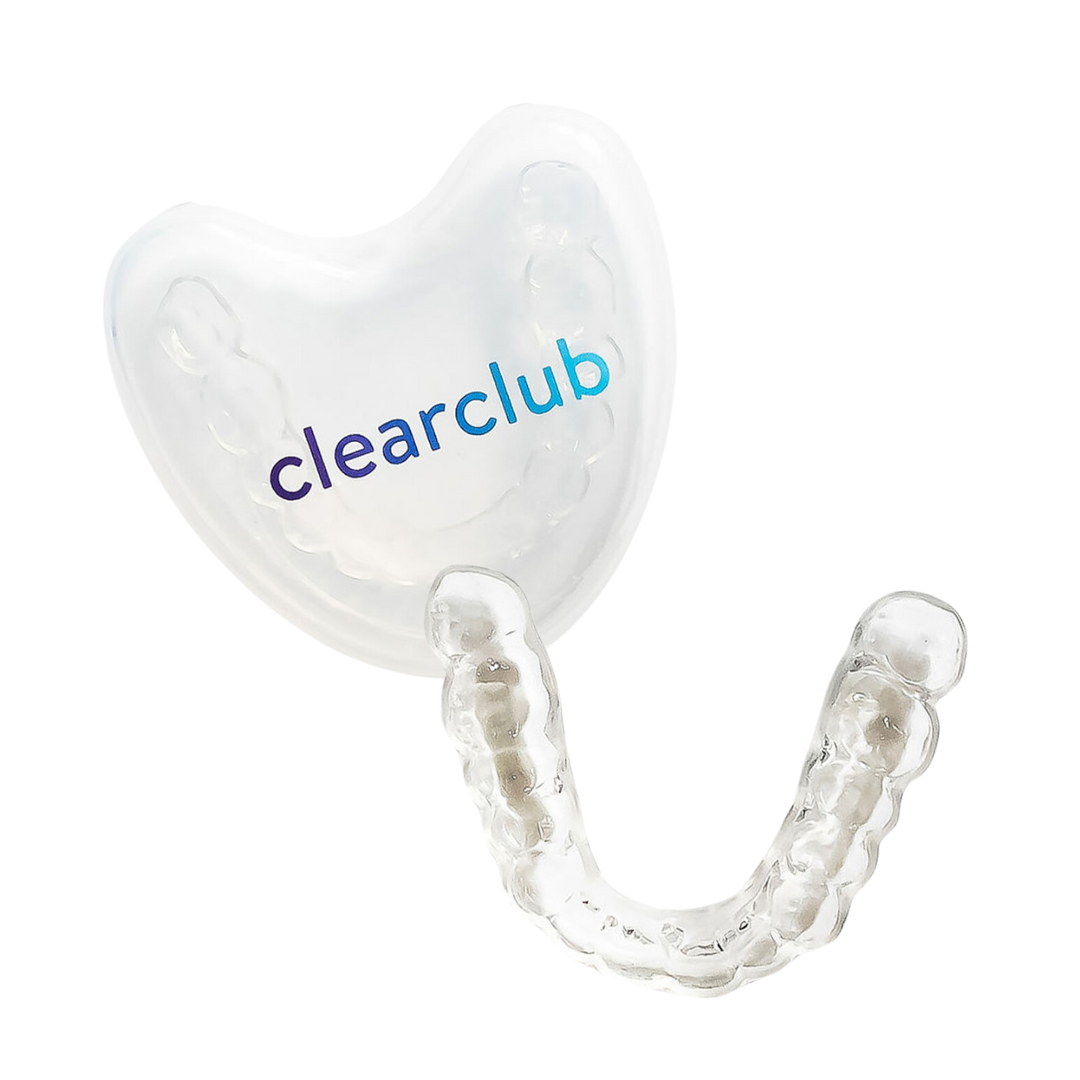


If your dentist thinks that grinding or clenching during your sleep could cause TMJ symptoms, then they will advise you on how to use a custom night guard that could help protect your teeth from excess pressure.
ClearClub's Custom Night Guards are designed to provide a comfortable, custom-fit that helps reduce the impact of grinding and clenching. They offer a more affordable alternative to traditional in-office night guard while still focusing on protection and everyday wearability.
Every single night guard comes with a renewal plan that allows you to replace the device regularly, keep it hygienic, and effective all the time. If you need extra protection when sleeping, a custom night guard become a good choice for you.
Frequently Asked Questions
❓ Can impacted wisdom teeth cause TMJ pain?
Yes, impacted wisdom teeth can cause jaw pain that may feel similar to TMJ disorder. However, they do not directly cause TMJ disorder, but the symptoms can overlap and feel confusing.
❓ How do I know if my jaw pain is from TMJ or impacted wisdom teeth?
Wisdom tooth pain is usually felt at the back of the mouth and may include swollen gums or pressure. TMJ pain is typically located near the jaw joint, temples, or in front of the ears and may include clicking or jaw stiffness.
❓ What are the early signs of impacted wisdom teeth?
Early signs include pain or pressure at the back of the jaw, swollen gums, difficulty opening the mouth fully, and sometimes bad breath or an unpleasant taste.
Looking for something else? Check our full FAQs section.