

Can Nail Biting Damage Your Teeth? Effects, Risks & Prevention Tips
You might think of nail biting as a harmless habit, but it can affect more than just the appearance of your nails. Despite being common, this habit can place repeated pressure on your teeth and mouth in ways you may not expect. From tooth damage to jaw pain, nail biting can have a bigger impact on your oral health than you realize.
In this blog, we will discuss the impact that nail biting can have on your teeth and jaw as well as the way that you can stop biting your nails for good.
📑 Table of Contents
Why Do People Bite Their Nails?
Nail biting is a common body-focused repetitive behavior (BFRB) that is quite common like teeth grinding, where one chews on or bites his/her nails. As stated by Healthline, nail biting may be caused by stress, anxiety, boredom, or lack of concentration.
As some individuals grow out of it, others keep the habit well into their adulthood. According to various studies, approximately 20-30% of the overall population has this habit regardless of their group. This habit not only has an effect on your nails but might also affect your dental health.
As nail biting usually occurs as a subconscious behavior, it means that a person can go on biting his nais without even realizing what he or she doing. This is the reason why identifying triggers is the first step in stopping this habit.
How Can Nail Biting Affect Your Oral Health?
While nail biting may seem like a harmless habit, its effects can go beyond your fingernails. Repeatedly biting your nails can also impact your dental health in several ways, including:

It Can Chip or Crack Your Teeth
UCLA Health states that when you bite your fingernails, more pressure is exerted on your teeth. If that is done frequently, then the you become prone to having your tooth chipped or cracked.
It May Change Tooth Alignment
In addition to this, frequent biting of nails could also interfere with the alignment of the teeth. Studies have shown that the continuous exertion of pressure on the front teeth due to nail biting causes malocclusion or an improper bite. This condition results in crowding of the teeth, rotation of the teeth, or misalignment of the front teeth.
It Can Strain Your Jaw
The movement of the jaw during nail biting could also lead to problems in the jaw. Research has found that people who bite their nails are more likely to show signs and symptoms of temporomandibular disorders (TMD), which can cause jaw pain, clicking, and difficulty moving the jaw comfortably.
It May Injure Your Gums and Other Soft Tissues
Chewing on your fingernails is also likely to cause irritation of the soft parts inside the mouth such as the gums. The constant pressure exerted during nail biting coupled with the sharp ends of your nails can cause damage to the gums. Over time, this can lead to discomfort and make the gums more vulnerable to irritation.
It Can Expose Your Mouth to More Germs
According to the CDC, there may be dirt and bacteria beneath the fingernails which might play a significant role in spreading infections. Longer fingernails have a tendency of harboring more dirt and bacteria compared to shorter fingernails.
Since nail biting involves inserting the fingers into the mouth, this behavior exposes you to many organisms. Some studies have explored whether intestinal parasites may be linked to teeth grinding (bruxism). Learn more here: Can Intestinal Parasites Cause Teeth Grinding?
How to Stop Nail Biting and Protect Your Smile
It is not easy to break a nail biting habit, particularly when it is something that you have been doing for a long time. But it is possible to make some small changes to substitute it with other habits.
- Know your triggers. Identify what makes you start biting your nails, whether it's due to being under stress, focusing, or feeling bored.
- Keep your nails cut short. Shorts nails will lessen your desire to bite them and can stop germs from collecting.
- Replace the behavior with a healthier one. Instead of biting your nails, keep your hands occupied with other activities like stress balls.
- Try using a reminder or deterrent. Use nail polish or any kind of reminder to remind yourself about nail biting unconsciously.
- If you grind your teeth, get a night guard. Night guards might be beneficial for people who bite their nails and grind their teeth.
Protect Your Smile While Breaking the Habit
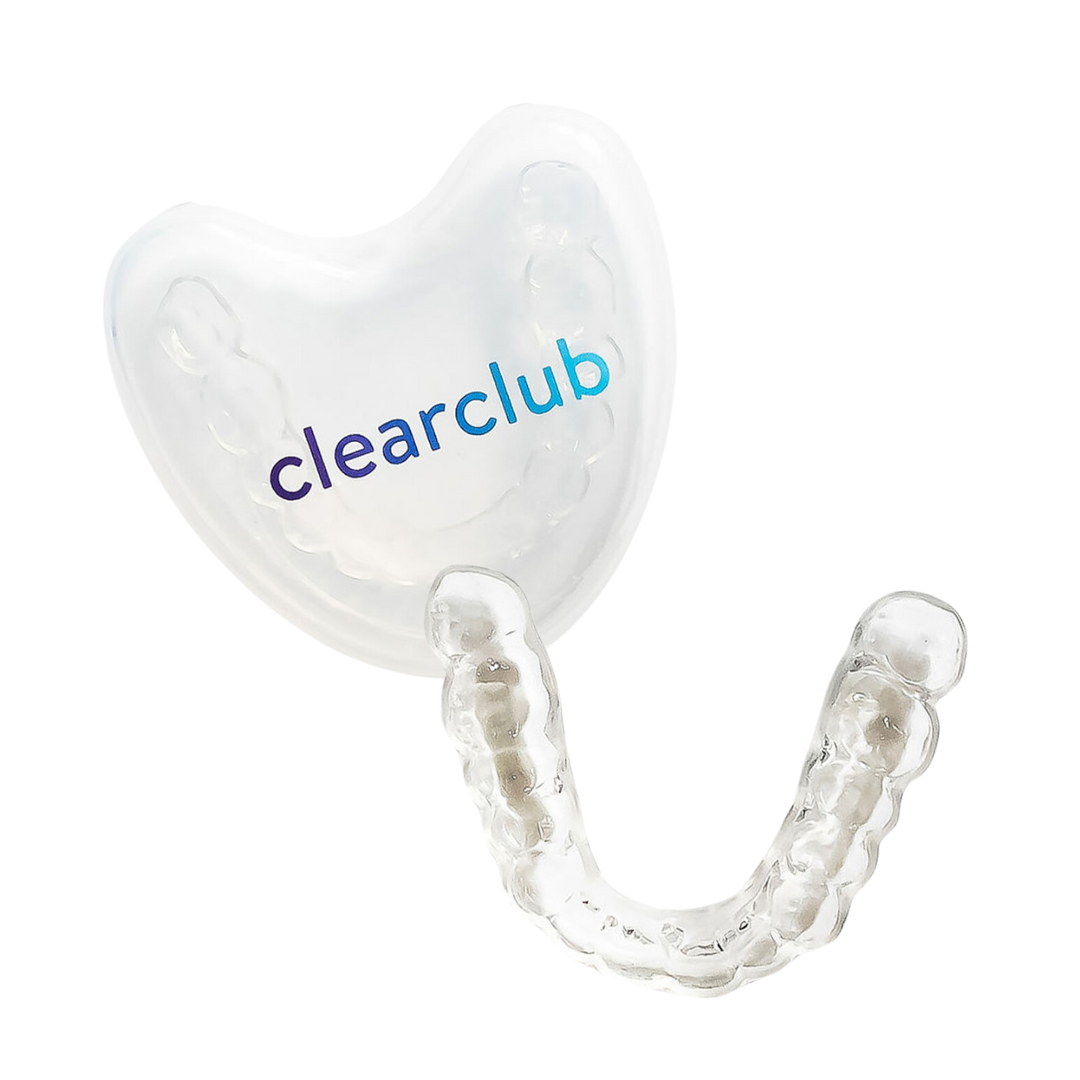


Nail biting can be quite harmful to your teeth, particularly if you grind them as well. It is possible that a night guard designed specifically for you could help relieve any additional pressure on your teeth.
Our custom night guards are manufactured using your dental impression to ensure comfort during any time of the day, no matter how long you use it. Available in different colors and thicknesses, they can also be conveniently replaced monthly through our subscription plan. Protect your smile today!
Frequently Asked Questions
❓ Can nail biting permanently damage your teeth?
Frequent nail biting may contribute to dental problems such as chipped teeth, cracks, tooth wear, or changes in tooth alignment over time. The risk of damage may increase when the habit is frequent, forceful, or continues for many years.
❓ Does wearing a night guard stop you from biting your nails?
A night guard is not a treatment for nail biting. However, if you also grind your teeth, a custom night guard can help protect your teeth from excessive pressure and wear caused by grinding. It may also serve as a reminder to become more aware of habits that involve your teeth.
❓ What is the easiest way to stop biting my nails?
Breaking a nail-biting habit often starts with identifying your triggers and replacing the behavior with healthier alternatives. Keeping your nails trimmed, using reminders or deterrents, and managing stress can also help you gradually reduce the urge to bite your nails.
Looking for something else? Check our full FAQ section.